




Key takeaways
Ensuring safety in factories and warehouses is a priority that must never be overlooked. Selecting standard warehouse safety equipment, ranging from Personal Protective Equipment (PPE) to structural safeguards like column guards and rack protection, effectively mitigates the risk of accidents and significantly extends the lifespan of your shelving systems. Furthermore, integrating smart warning technologies alongside regular pallet rack inspections will systematically elevate your factory’s safety standards, minimise operational losses, and sustainably boost productivity. By understanding common warehouse hazards and safety equipment, businesses can create a highly secure environment.
Warehouse management involves far more than simply storing and transporting goods; it requires establishing a safe environment for staff throughout every operational phase. Consequently, adhering to strict warehouse safety standards and equipment types is crucial. Proper equipment reduces the likelihood of accidents, promotes an organised workspace, and systematically raises the overall safety benchmark within the facility. When the right tools are deployed, they enhance workflow efficiency and prevent potentially devastating long-term losses.
The Essential Warehouse Safety Equipment List Every Facility Must Have
Personal Protective Equipment (PPE)
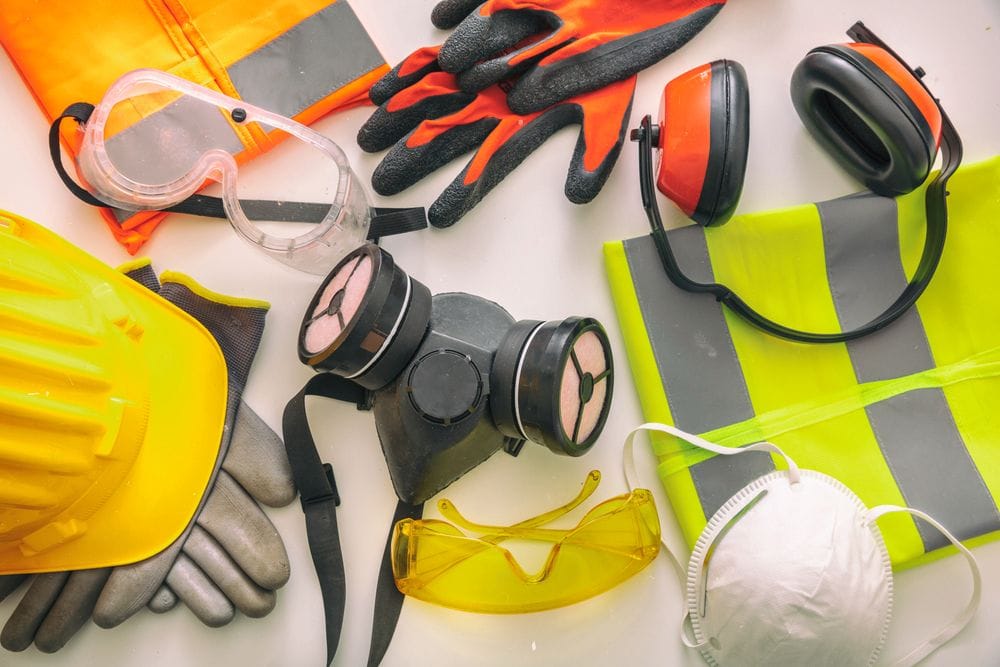
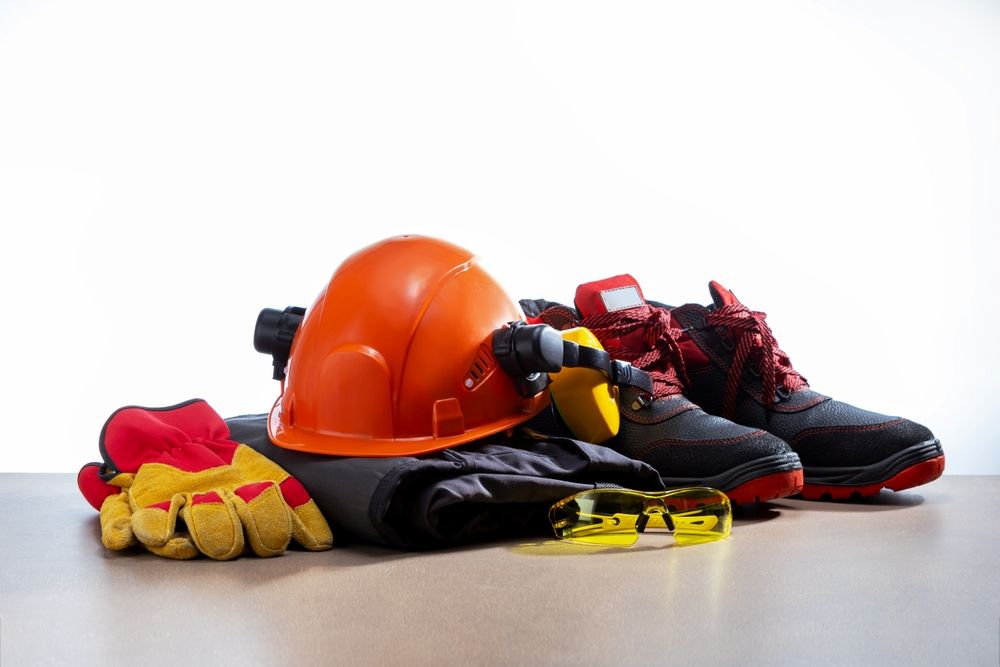
- Steel-toe safety boots: Protect feet from heavy impacts and falling objects.
- High-visibility vests: Ensure workers are easily seen, particularly in forklift operating zones.
- Hard hats (Safety helmets): Shield the head from objects falling from a height.
- Safety gloves: Minimise the risk of cuts and abrasions when handling goods.
Area and Structural Protection Equipment
- Safety barriers and bollards: Prevent or reduce damage caused by forklift collisions.
- Safety netting: Stops inventory from falling into pedestrian walkways.
- Column guards and rack protection: Absorb and mitigate impact forces around vital building columns and storage racks.
Warning Devices and Visibility Enhancers
- Convex traffic mirrors: Eliminate blind spots at busy intersections.
- Floor marking tape: Clearly delineate pedestrian walkways from active storage zones.
- Forklift warning lights (Blue/Red Light): Drastically improve vehicle visibility in high-risk areas.
Elevating Factory Safety with Smart Warning Devices
Modern warehouse safety procedures are no longer confined to basic physical barriers. Today, they incorporate advanced technologies that provide real-time alerts to prevent accidents before they occur:
- Safety Projector Lights: Automatically project high-visibility safety boundaries around moving forklifts.
- UWB Collision Alerts: Ultra-Wideband proximity warning systems that alert both pedestrians and drivers when they are too close.
- AI Safety Cameras: Intelligent cameras that detect non-compliance with PPE protocols and identify high-risk behaviours.
- Smart LED Signage: Automated, illuminated warning signs triggered by movement in dangerous blind spots.
Techniques for Selecting and Maintaining Essential Warehouse Safety Tools
Select According to International Standards
Always purchase equipment that carries recognised international certifications, such as CE or ANSI. This guarantees the product possesses the durability required to withstand heavy-duty warehouse environments.
Daily Check Systems
Implement a brief, mandatory pre-shift checklist. This should include tasks such as inspecting hard hats for hairline cracks, ensuring all electronic warning lights are functioning correctly, and verifying the tension of safety netting.
Cleaning and Maintenance Plans
Routinely clean sensor lenses and convex traffic mirrors to guarantee unobstructed visibility. If steel barriers or rack protection units become deformed following a collision, they must be repaired or replaced immediately to maintain their protective efficacy in accordance with occupational health and safety regulations.
Replace Immediately Upon Expiry
Many safety items, such as safety harnesses and specific PPE, have a strict expiration date. Maintain a meticulous digital log of installation dates so that all gear is replaced prior to its deterioration.
Maximise the safety of your warehouse by deploying targeted risk-point safeguards, such as robust rack protection, and ensure you schedule a professional pallet rack inspection on a regular basis. These proactive measures drastically reduce workplace accidents and prolong the lifecycle of your storage infrastructure.
Tellus provides comprehensive warehouse solutions, offering premium column guards, rack protection, and expert industrial racking inspection services to help systematically and effectively secure your facility.
For further details, please contact us via LINE: @679gdcxi or call 02-643-8044-8
References
- What Is PPE Safety Equipment? Protect Your Workforce. Retrieved 1 July 2026, from https://efmaintenance.com.au/what-is-ppe-safety-equipment/
Frequently Asked Questions About Warehouse Safety Procedures (FAQs)
Q : What safety equipment is required for warehouse operations and how does it protect workers?
A : Safety equipment is generally divided into three core categories designed to mitigate specific operational hazards:
- Personal Protective Equipment (PPE): Items like safety boots and hard hats physically protect workers from direct bodily harm.
- Area Protection: Physical boundaries like barriers, column guards, and rack protection prevent catastrophic structural collapses and vehicle collisions.
- Warning Devices: Tools such as convex mirrors, floor marking tape, and smart warning lights heighten situational awareness and prevent accidents in high-traffic zones.
Q : Why is it necessary to install column guards or rack protection in a warehouse?
A : These protective units absorb the kinetic energy and damage resulting from accidental forklift collisions. By shielding the racking structure and building columns, they prevent severe, cascading accidents—such as total racking collapses—which could result in catastrophic inventory loss and fatal injuries to personnel.
Q : How often should a pallet rack inspection be conducted?
A : A basic visual inspection (Daily Check) should be performed by staff every day before operations commence to spot any immediate signs of damage. Furthermore, a comprehensive pallet rack inspection conducted by a certified external expert must be carried out at least once a year in compliance with international safety standards.