Tellus Storage Systems

Author: admin

  • 5 Office Storage Ideas for Small Spaces Work Beautifully

    5 Office Storage Ideas for Small Spaces Work Beautifully

    Modern office spaces no longer need to be large to be functional. Efficient use of space for working and storage has become the cornerstone of good design. This article presents 5 office storage ideas for small spaces that can transform a standard workplace into a smart, multi-purpose environment, perfect for organising documents, stock, or everyday office items in a tidy and practical way.

    Home Office storage ideas that make your workspace more inviting

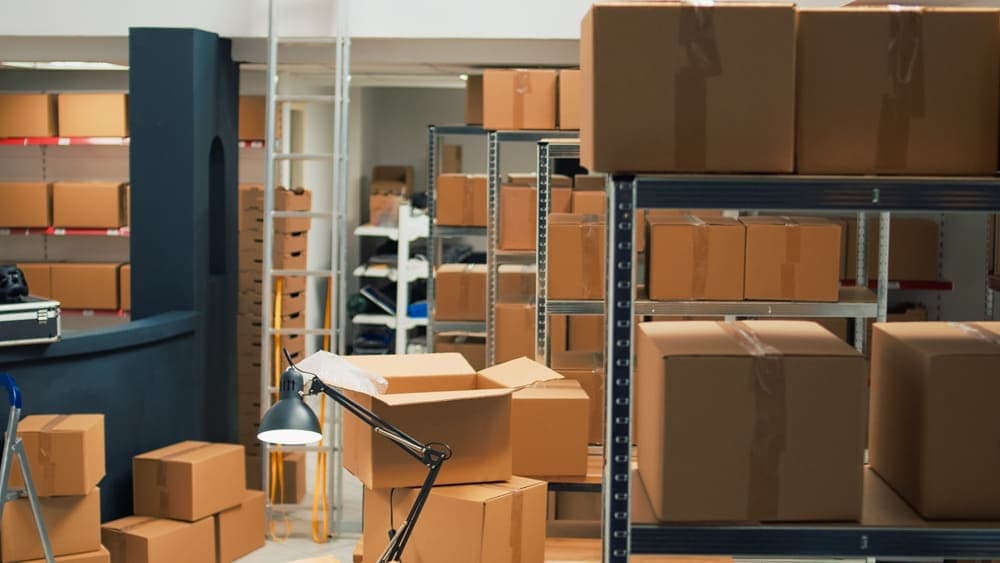
    1. Add “Storage Shelves” to Create a Mini Warehouse in the Office

    Storing stock in a small office is no longer a challenge, especially for businesses with minimal inventory, such as online brands or offices that only need to store specific documents or supplies. Modular office storage solutions, such as adjustable shelving units, are a perfect fit. These can be customised to fit the quantity and type of items being stored, be it document boxes, small products, or stationery, helping to clear clutter from desks and improve overall organisation.

    Additionally, shelving can serve as a partition, particularly in tight spaces. Using a Selective Racking System to divide working and storage zones helps maintain a more open, airy feel without the need for solid walls. Most importantly, this flexible solution can be rearranged as needed, adapting to the team’s workflow

    2. Hidden Cabinets to Maintain an Open and Airy Feel

    If your office space aims for a clean and open look, consider home office storage ideas like hidden cabinets, wall-mounted, or tucked neatly under desks. These help reduce visual clutter and naturally make the space feel larger.

    Choose sleek cabinet designs with flat panels and no visible handles for a minimalist aesthetic, which is popular in many office environments. Concealing items and documents in discreet cabinets minimises distractions, encourages focus, and enhances the overall atmosphere for smooth working.

    3. Built-in Storage Corners with Work Desks

    When space is limited, built-in furniture is a clever office storage idea for small spaces. A desk with integrated drawers and storage compartments eliminates the need for multiple pieces of furniture, saving valuable space and improving daily convenience.

    Another major advantage of built-ins is maximising vertical space. Consider wall-mounted shelves above the desk or tall cabinets that reach up to the ceiling—ideal for compact offices or home workspaces needing to balance function and order. This design also helps create semi-private zones for each employee.

    4. Creative Wall Designs that Double as Partitions and Storage

    Staff in a stockroom inspiring for home office storage ideas.

    Office walls no longer need to be just dividers. With a creative approach, they can serve multiple purposes. For example, a wall with a whiteboard finish can be used for brainstorming, quick meetings, or team planning. You can even add hanging rails below or beside it for items like office tools, small potted plants, or file racks.

    The lower part of the wall can also be turned into smart storage with floating shelves for books, documents, or light office supplies. This makes the wall a functional feature, reducing horizontal space usage and keeping everything harmoniously organised in line with the overall décor.

    5. Multi-functional Rest Areas with Built-in Storage

    A rest area within the office doesn’t just rejuvenate employees—it can also double as hidden storage. Consider sofas or bench seating with storage compartments underneath. These can hold personal items or documents that aren’t needed frequently, keeping things neat and saving space.

    You can also decorate these areas with bookshelves or display units. These not only add aesthetic value but can also store light work materials or office essentials. Such thoughtful home office storage ideas enhance the overall comfort and warmth of the workspace, reduce stress during the day, and ensure that every square metre of the office is used to its full potential.

    Upgrade your office for maximum efficiency with the Selective Racking System from Tellus, your expert in office storage solutions. Designed with industry-leading manufacturing standards and modern innovations, Tellus offers smart storage systems that truly understand your business needs.

    Contact us today for professional consultation and take the first step in transforming your storage system to meet the demands of the modern logistics world. Call us on 02-643-8044

  • What’s the KonMari Method? A Guide for Businesses

    What’s the KonMari Method? A Guide for Businesses

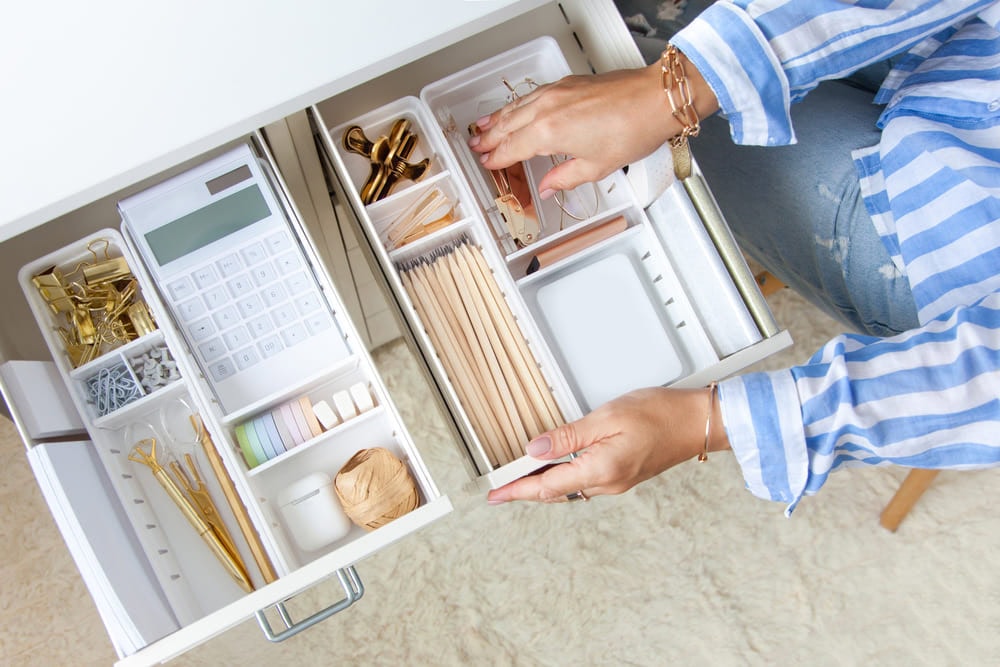
    Woman organising her desk using the KonMari clean-up method

    In today’s fast-paced business world, organisation and internal operational efficiency are essential for sustainable growth. One global phenomenon that has proven useful in this area is the KonMari Method, also known as the KonMari clean-up method, which focuses on retaining only what brings value and joy.

    In this article, we’ll explore What is the KonMari Method? and how it can be adapted to optimise company operations, enhance efficiency, and cultivate a positive workplace culture.

    What Is the KonMari Method?

    The KonMari Method is an organisational approach developed by world-renowned Japanese tidying expert Marie Kondo. Its core principle is to keep only items that “spark joy” and eliminate those that don’t contribute value—creating space for clarity, calm, and productivity.

    Applying the KonMari Method in a Business Context

    The KonMari Method can be effectively adapted to a corporate setting—from organising data and resources to workspace layout and even professional relationships. By keeping only what adds value and letting go of unnecessary elements, organisations can reduce complexity, increase agility, and improve overall efficiency.

    What Are the 5 Steps of the KonMari Method? (Adapted for Business)

    1. Commit Fully to Business Organisation

    Start with leadership. Leaders must foster a shared understanding of the importance of organisational change and set clear goals. Motivation and team participation are critical to achieving lasting transformation.

    2. Define Your Ideal Company Vision

    Before decluttering, define a clear future vision—covering workplace atmosphere, organisational structure, and company goals. This will guide decision-making about what to keep and what to let go. 

    3. Discard Anything That Doesn’t “Spark Joy” for the Business

    Central to the KonMari Method is identifying and removing things that no longer add value:

    • Documents & Data: Eliminate outdated files and retain only essential information.
    • Clients & Partners: Reassess low-value partnerships or customers and consider transitioning or ending contracts.
    • Equipment & Technology: Remove software or hardware that’s unnecessary or underused.
    • Workflows: Eliminate redundant or inefficient steps in your business processes.

    4. Organise by Business Category

    Establish clear categories to maintain order:

    • Documents & Records: Contracts, customer data, financial reports, and legal files should be securely stored, easy to access, and regularly updated.
    • Human Resources: Clear team structures and roles help staff understand responsibilities and improve performance.
    • Technology Systems: A connected and tidy IT infrastructure allows smooth information flow across departments.
    • Workspace: A clean and organised workspace enhances employee happiness and productivity.

    5. Sequence Your Organisation by Priority

    Design your organisation system based on access and importance. Critical documents or tools should be accessible within 30 seconds to save time and speed up decision-making.

    6. Foster a “Spark Joy” Company Culture

    Creating an environment that encourages creativity and efficiency helps staff feel more engaged and connected. This positively affects both morale and business performance.

    Organising business space using multipurpose shelving storage and the KonMari Method

    Benefits of Using the KonMari Method in the Workplace

    Applying the KonMari Method checklist to your business brings numerous advantages:

    • Time-Saving: Well-organised tools and files reduce search time by 20–40%.
    • Boosted Productivity: Employees focus more on core tasks rather than clutter.
    • Encourages Creativity: Physical and mental space leads to fresh ideas.
    • Positive Work Culture: A tidy workspace promotes happiness and collaboration.
    • Enhanced Company Image: A professional and organised environment builds trust with clients and partners.

    Start Decluttering Your Business with ‘Tellus’ Shelving Storage

    If you’re considering implementing the KonMari Method in your workplace to improve storage and create a clean, systematised environment, multipurpose shelving storage from Tellus is the perfect solution:

    • Strong, durable, and supports various loads
    • Customisable designs to fit your space
    • Suitable for offices, warehouses, or production areas
    • Helps categorise tools and documents neatly

    At Tellus, we lead in delivering storage solutions tailored for businesses of all sizes. Our expert team is here to support you with professional advice, bespoke design, installation, and aftercare. Contact us today to start reorganising your company the smart way!
    Call us at 02-643-8044

  • 2025 Logistics and Warehouse Industry Trends Update

    2025 Logistics and Warehouse Industry Trends Update

    The logistics industry is undergoing a major transformation driven by the rise of Q-Commerce (Quick Commerce), which demands faster and more efficient responses. In this article, we delve into the key logistics industry trends that businesses must keep an eye on, along with a recommendation for a smart storage solution like Micro Rack shelving to improve flexibility for small to mid-sized businesses in today’s fast-paced environment.

    Logistics entrepreneurs updating industry trends for warehouse strategies

    Top 5 Logistics Industry Trends to Watch in 2025

    The logistics sector is facing a significant shift. Operators must adapt swiftly to evolving technologies and economic conditions to survive and thrive in the digital age. Here are five key logistics industry trends in 2025 that businesses should closely monitor.

    1. The Rise of Q-Commerce

    Quick Commerce (Q-Commerce) is reshaping the logistics landscape. With increasing demands for faster and more accurate deliveries, businesses must revise their strategies to meet the expectations of modern consumers. This has led to the growing need for small, highly flexible warehouses capable of supporting fast product distribution directly to customers.

    2. Micro Racks: Maximize Vertical Storage in Small Warehouses

    Micro Rack shelves are versatile storage systems gaining popularity in the logistics industry. They can be adapted for use in warehouses, tool shops, or parts storage centres. Each shelf can support 100–200 kilograms, and the levels can be adjusted to suit product size using a clip-in system. Their knock-down structure allows for easy installation and dismantling, making them a practical solution for the fast-moving demands of Q-Commerce.

    3. Electric Vehicles (EVs) in Transportation

    Sustainability and the reduction of carbon emissions are now core values across many industries. As a result, logistics businesses are increasingly investing in electric vehicles within their delivery networks. This transition not only reduces environmental impact but also supports the principles of Green Logistics and complies with emerging regulations that prioritise sustainability within the transport sector.

    4. The Growth of Micro Fulfillment Centers (MFCs)

    One of the most prominent logistics industry trends for 2025 is the rise of Micro Fulfilment Centres (MFCs), particularly for small to mid-sized enterprises. These compact distribution hubs support growing online order volumes and help ensure swift, efficient deliveries. Micro Racks are a key component here, offering flexible and space-efficient storage systems essential for the smooth operation of MFCs.

    5. Data Management and Analytics

    Lastly, data management and analytics continue to play a crucial role, offering costs that yield profits. These tools enable businesses to make better use of resources by structuring data systematically and leveraging it for strategic decisions. For example, forecasting customer demand, optimising delivery routes, and reducing operating costs. This data-driven approach empowers business owners to make intelligent decisions and adapt quickly to market changes.

    Adapting Logistics for the Q-Commerce Era

    Micro Rack shelving system for expanding storage in a warehouse

    To meet the growing demands of Q-Commerce, logistics businesses must rapidly enhance warehouse systems and streamline deliveries with maximum accuracy and speed. Here are three main strategies that operators can implement

    • Enhance delivery systems for speed and accuracy: Redesign delivery routes to reduce travel time and manage real-time order flows.
    • Increase storage flexibility with Micro Rack systems: Make full use of vertical space in warehouses, accommodate various product types, and keep stock organised.
    • Integrate AI, Automation, and IoT technologies: Connect data across all stages from order intake and storage to real-time delivery, reducing errors and improving management efficiency.

    Micro Racks: Smart Logistics Solutions for 2025

    To efficiently manage large inventories in confined spaces, Micro Rack shelving offers a powerful solution, minimising warehouse management costs while maximising flexibility to adapt to changing business needs.

    • Maximise storage space efficiency: Fully utilise vertical space to enable small warehouses to store diverse items without expansion.
    • Flexible and cost-effective structure: Adjustable shelving levels for different product types. The durable steel frame is easy to assemble and disassemble, lowering long-term costs.
    • Quick installation for immediate use: Minimises business downtime, racks can be set up quickly and used straight away.
    • Clear product organisation: Categorise items by type or SKU to reduce picking errors and speed up the dispatch process.

    If you’re looking to enhance your storage efficiency and quickly respond to the demands of Q-Commerce, Micro Racks shelving from Tellus is the smart logistics solution you need. We specialise in designing and supplying flexible, cost-effective storage systems, supported by a professional team ready to help optimise your warehouse operations seamlessly.

    Contact us today for a consultation and start modernising your storage systems to match the pace of the modern logistics industry. Call 02-643-8044.

  • What is an ASRS System? Discover This Key Solution for Logistics Professionals

    What is an ASRS System? Discover This Key Solution for Logistics Professionals

    The ASRS System


    One of the perpetual challenges in warehouse management is inventory counting, storage, and dispensing at designated points. These processes often face disruptions due to inventory inaccuracies and disorganised distribution. Let’s explore the innovative ASRS System. If you’re unsure what it is and how it benefits you, we have the answers.


    ASRS System: A Must-Have Solution for Logistics in Thailand


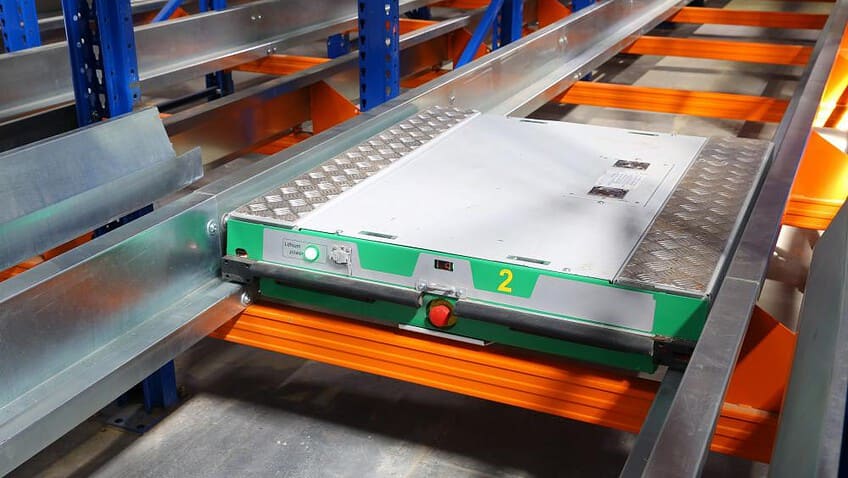
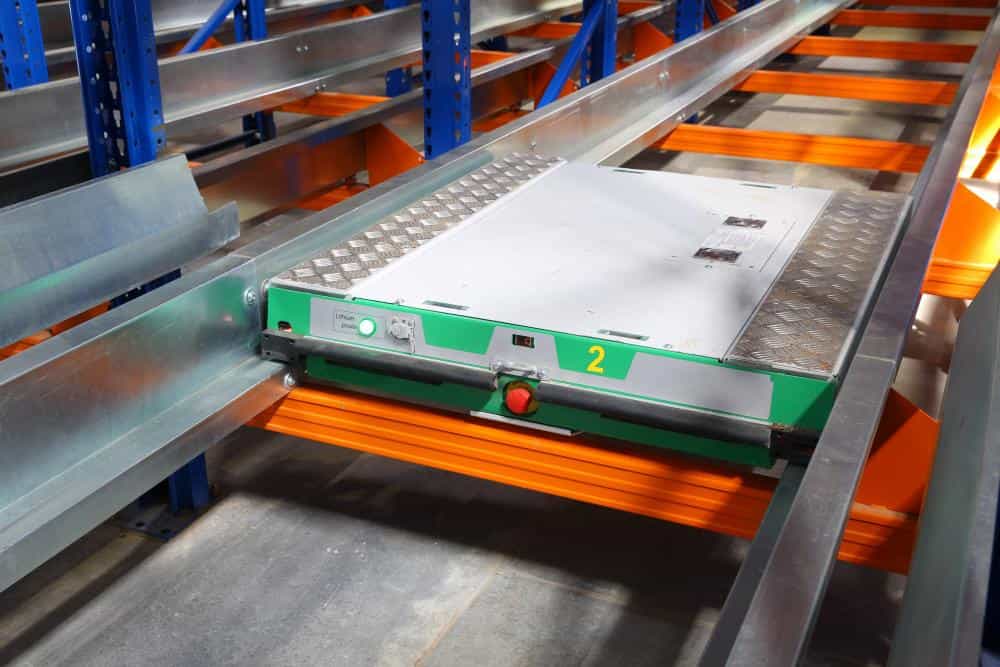
    An ASRS (Automated Storage & Retrieval System) is an automated system for storing and retrieving goods with precision. This intelligent system integrates machinery and efficient management software, not only speeding up and improving accuracy in warehouse operations but also reducing labour costs, saving space, and minimising human error.


    Components of an ASRS System


    To understand how an ASRS system works, it’s essential to know its main components, which include:


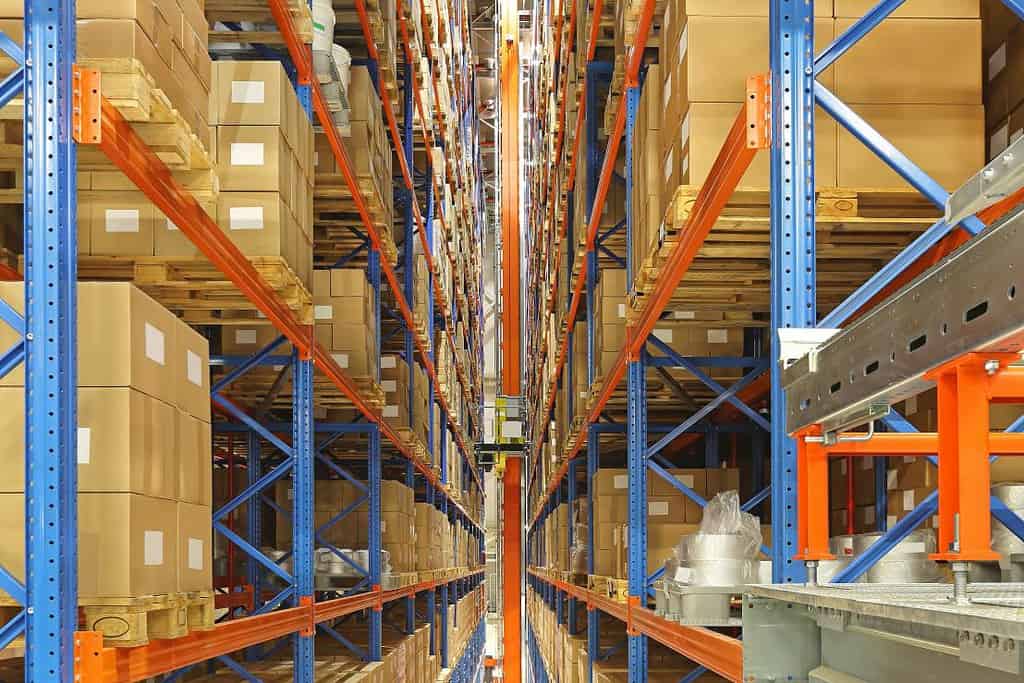
    • ASRS Racking: Specially designed shelving systems for ASRS. These racks are robust, durable, and can support heavy goods, facilitating the movement of automated machinery.
    • Storage and Retrieval Machine (SRM): This is the core of the ASRS system. This machine automatically moves goods in and out of the shelves horizontally and vertically with high precision, operating 24/7 under intelligent computer control.
    • Storage Module: Pallets, trays, or units used for storing goods, designed to integrate seamlessly with the ASRS system for efficient storage and retrieval.
    • Pickup and Deposit Station: Points where goods are entered into or retrieved from the system, possibly interacting with staff or other automated systems for maximum efficiency and flexibility.
    • Management and Control Software: The brain of the ASRS system, this software controls machinery operations, manages inventory data, and processes commands smoothly and accurately.
    • Additional Equipment: Items like conveyors that facilitate the movement of goods within the warehouse, connecting the SRM with the pickup and deposit stations.
    • Automated Guided Vehicles (AGVs): Highly popular in Thailand, these vehicles operate autonomously within the ASRS system, providing flexible and efficient transport and placing goods within the warehouse.


    Benefits of the ASRS System for Thai Warehouses


    The components of an ASRS system not only increase operational speed and accuracy but also offer numerous benefits for modern warehouses. Let’s explore how an ASRS system can elevate warehouse management in Thailand:


    An ASRS system

    1. Enhancing Storage and Retrieval Efficiency


    An ASRS system is crucial for boosting the efficiency of storage and retrieval operations. The automatic and precise operation of SRM machines, which transport, store, and retrieve goods under computer control, significantly improves storage capacity by efficiently utilising vertical space. This allows for more goods to be stored in the same area.


    2. Increasing Warehouse Safety


    Safety is paramount in warehouse operations. An ASRS system reduces the risk of accidents involving warehouse staff by automating tasks that would otherwise require climbing or moving heavy goods. Regular safety checks within the system prevent shelf collapses and other potential hazards, ensuring a secure environment.


    3. Improving Inventory Management


    ASRS systems are increasingly popular in Thailand for their storage and retrieval benefits and for enhancing inventory management efficiency. Businesses can track and record inventory data in real time, providing accurate stock status at all times. This system aids in planning orders, preventing stockouts or overstocking, and analysing data to predict future customer demand.


    4. Supporting Business Growth


    In an era of rapid business growth, ASRS systems effectively support business expansion. They maximise storage capacity within limited spaces, allowing warehouses to increase capacity without expanding their footprint. The system is adaptable and scalable, whether adding more storage slots or enhancing operational speed, ensuring seamless business growth without warehouse management constraints.

    With these numerous benefits, the ASRS system is a comprehensive solution for modern warehouses. It enhances operational efficiency, reduces costs, improves safety, and supports future business growth. Investing in an ASRS system is a significant step for businesses aiming to modernise and optimise their warehouse management.

    Support the next growth phase of your warehouse system with ASRS equipment from Tellus. As a leading manufacturer and designer of automated warehouse systems, we offer comprehensive solutions tailored to your needs, guaranteeing quality and safe load capacity. Our expert after-sales team is ready to assist you throughout the system’s usage. For more information, call 02-643-8044.


    Sources:

    1. What is an automated storage and retrieval system? AS/RS meaning and more.Retrieved on July 23, 2024, from https://6river.com/what-is-an-automated-storage-and-retrieval-system/
    2. ASRS 101: Automated Storage and Retrieval Systems. Retrieved on July 23, 2024, from https://us.blog.kardex-remstar.com/automated-storage-and-retrieval-systems-asrs#glossary_of_asrs_related_terms
  • Types of Shelves for Shop Warehouses & Tips for Choosing the Right One

    Types of Shelves for Shop Warehouses & Tips for Choosing the Right One

    Industrial shelves for shops

    Storage racks are essential for orderly, safe, and efficient inventory management in warehouses, factories, or large storage areas. However, the variety of shelf types can be confusing for users trying to choose the right one for their needs. This article will explain the different types of shelves for shop warehouses, helping business owners select the most suitable industrial shelving and storage racks.

    Types of Industrial Shelves

    Selecting the right shelves for your business is crucial for increasing efficiency, saving warehouse space, and making items easily accessible. Today, there are various types of industrial shelves, each with unique features and suited for different uses:

    Micro Rack

    These small shelves are designed for storing light and small items, ideal for warehouses with limited space or for storing many small parts, such as spare parts or documents. They save space and enhance storage and retrieval efficiency.

    Mezzanine Floor Rack

    This shelving system adds a second level of storage without expanding the warehouse space. With a strong structure that can support heavy loads, it’s suitable for large quantities of goods or items that don’t require frequent movement.

    FIFO Rack

    The FIFO Rack (First In, First Out) system ensures that the oldest inventory is used first. This is suitable for items with frequent changes in quantity or price, or those with a limited shelf life, like pharmaceuticals, food, or perishable goods. It reduces complications in inventory rotation and prevents goods from deteriorating over time.

    Selective Rack

    These are standard shelves with strong structures and adjustable shelf heights, providing easy access to all items. They are ideal for diverse products and offer flexibility in storage and retrieval. These racks can be used with forklifts without the need to organise items front to back, making them a good option for warehouses with high inventory turnover.

    Drive-In or Drive Through Rack

    Designed for forklifts to drive directly into the shelves, increasing storage density and saving aisle space. Suitable for large quantities of similar items that require frequent access. However, they are not ideal for diverse products due to the complexity of stock arrangement and the need for a rotation system to place items that need to be accessed first at the front.

    Push Back Rack

    This system combines the benefits of Drive-In and FIFO racks and uses a push-back mechanism for adding new items. Large, deep shelves allow for high storage capacity, with pallet trays in each layer to increase storage density and save space. It is suitable for businesses with a small number of SKUs but large storage volumes.

    Mobile Rack

    Movable shelves on rails powered by motors, allowing horizontal movement. These racks offer flexibility in space usage and are ideal for items that need frequent access or when storage space needs to be reconfigured regularly.

    Cantilever Rack

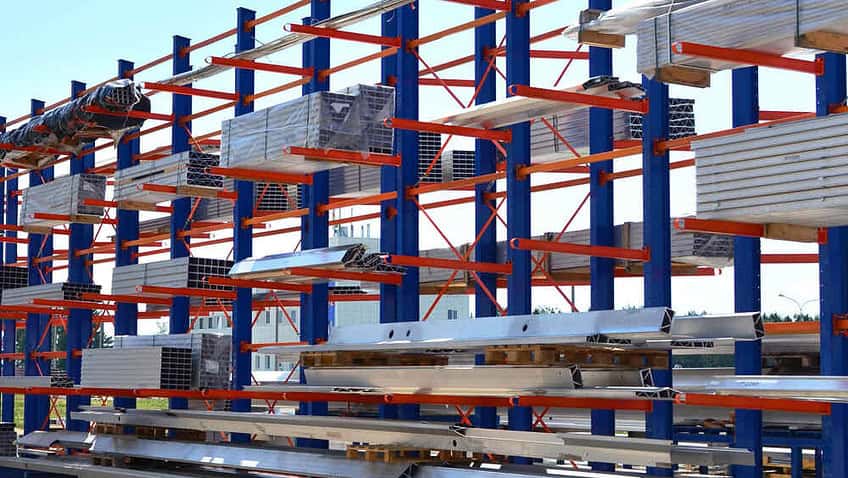
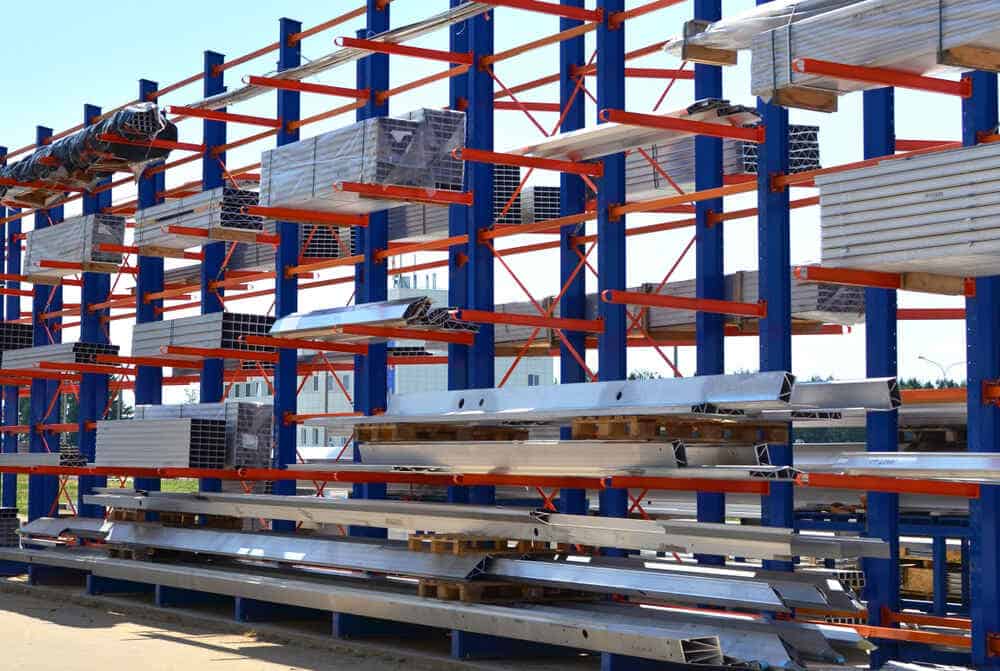
    Designed for long or oddly shaped items, these shelves feature no front columns, making it easy to access and manage goods. Suitable for storing long items like pipes, wooden planks, or metal sheets, and for industries needing to store irregularly sized materials.

    Industrial shelving in warehouses

    Guidelines for Choosing Shelves for Warehouse Storage

    For entrepreneurs in the process of selecting the right shelving, consider these key factors:

    • Type and Size of Pallets: Choose shelves that support the size and weight of the pallets, suit the warehouse ceiling height, and allow space for placing and retrieving items.
    • Type of Goods Stored: Consider the size, weight, and shape of the goods, as well as the frequency of access. Some items may require special shelves, such as those for hazardous materials or large items.
    • Warehouse Space: Consider the ceiling height and structural limitations of the warehouse. Select shelving systems that maximise space efficiency, such as Mobile Racks for limited space.
    • Type of Forklift: If using forklifts or other lifting equipment, choose shelves compatible with the type of forklift and ensure the aisles are wide enough for vehicle movement.
    • Inventory Rotation System: The inventory rotation system within the warehouse is a crucial factor. For large volumes that need rapid turnover, consider FIFO (First In, First Out) racks, mezzanine floor racks, or racking systems with rails that support flexible storage systems.

    Now that you understand the different types of shelves, if you’re looking for suitable industrial shelving for your shop warehouses, Tellus is the answer. We manufacture and design diverse automated warehouse systems, offering the best storage solutions at competitive prices. Choose from various storage racks, all guaranteed for quality and safety. Our expert after-sales team is always ready to assist you, ensuring your warehouse operations run smoothly. For more information, call 02-643-8044.

    Source:

All search results