Tellus Storage Systems

Author: admin

  • Exploring the Importance and Methods of Pallet Stacking

    Exploring the Importance and Methods of Pallet Stacking

    Proper pallet stacking methods can effectively manage warehouse stock, streamline the movement of goods, ensure safety, and maximise space usage. This article provides the answers for entrepreneurs seeking solutions for efficient pallet stacking systems.

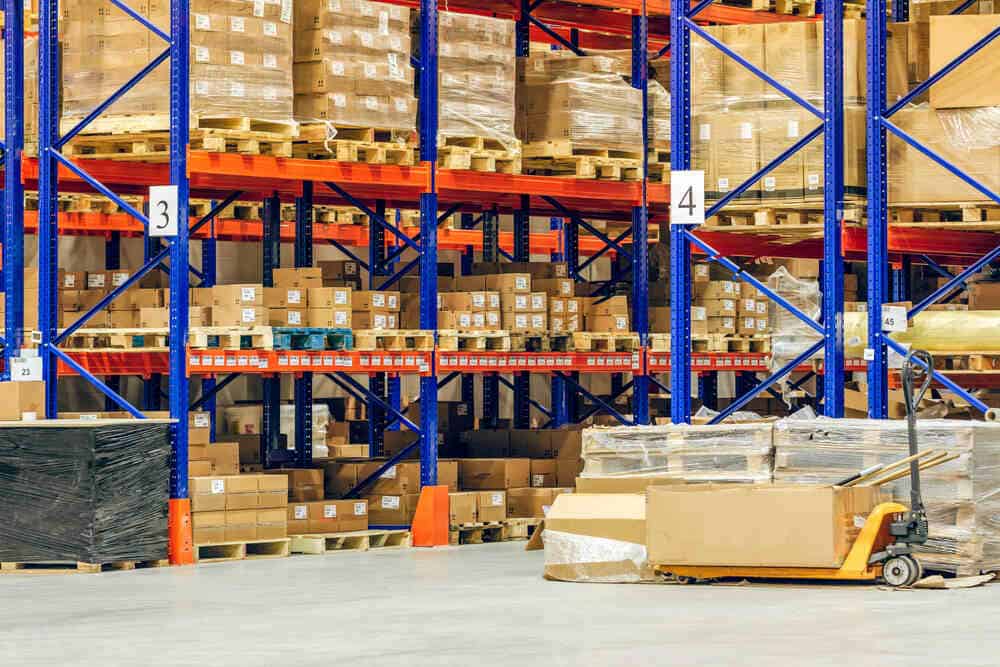
    Learn about pallet stacking methods for warehouses

    The Importance of Pallet Stacking

    Efficient pallet stacking is crucial for business operations. One widely adopted method is using pallets for stacking and transporting goods. Pallets, made from various materials like wood, plastic, or metal, are designed to support the weight of goods and facilitate movement using equipment such as forklifts or hand trucks.

    Utilising pallets for stacking goods not only meets industry standards but also brings numerous benefits that directly impact operational efficiency, costs, and warehouse management quality. The importance of pallet stacking can be summarised as follows:

    1. Enhancing Transport Efficiency

    Using pallets makes moving large quantities of goods with equipment like forklifts or pallet trucks, easier and quicker. This saves time and labour in handling goods and allows for orderly and efficient stacking in trucks or containers.

    2. Increasing Storage Space

    Pallet stacking allows for higher vertical stacking, optimising vertical space usage. This enables more goods to be stored in the same area, reducing the need for additional warehouse space and lowering associated costs.

    3. Protecting Goods from Damage

    Pallets elevate goods off the ground, protecting them from moisture and damage during handling. Proper pallet stacking also distributes weight evenly and prevents goods from crushing each other, reducing the risk of damage during storage and transport.

    4. Facilitating Easy Inventory Counting

    Stacking goods on pallets simplifies and speeds up inventory counting. Clearly defined units of goods on pallets make it easier to check stock levels accurately, reducing the time employees spend on inventory tasks.

    5. Creating a Professional Image

    Neat and orderly pallet stacking leaves a positive impression on customers and business partners. It showcases professional warehouse management that adheres to standards, which positively impacts the company’s image and credibility in business operations.

    Pallet Stacking Standards

    Standards for pallet stacking affect the efficiency of warehouse management and logistics processes. These standards are continuously developed and improved to meet warehouse management needs and ensure safety in operational areas, focusing on three main factors:
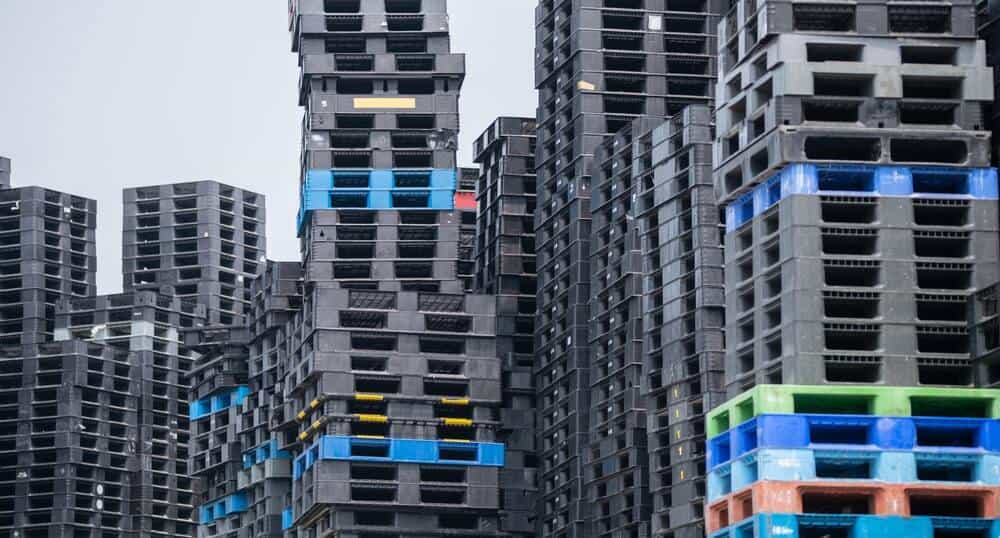
    Pallet stacking standards for warehouses

    1. Pallet Sizes

    The size of the pallet is a crucial factor in efficient stacking. Currently, there are three main standard sizes:

    1. Euro Pallet: Measuring 80 x 120 centimetres, this pallet adheres to GMP (Good Manufacturing Practice) and HACCP (Hazard Analysis and Critical Control Points) standards, particularly important in the food production process. Euro pallets are popular in Europe and fit well with the region’s transport and warehouse systems.
    2. Japan Pallet: At 110 x 110 centimetres, this size is widely used in the ASEAN region and is suitable for transport and storage systems in Southeast Asia.
    3. American Pallet: With dimensions of 100 x 120 centimetres, this plastic pallet is commonly used in the United States, Canada, and extensively in Thailand.

    2. Pallet Materials

    Pallets come in a variety of materials, each with specific usage and load-bearing characteristics:

    • Wooden Pallets: Must comply with IPPC (International Plant Protection Convention) regulations to prevent the spread of pests like fungi, insects, and termites. Wooden pallets used for international shipping should always bear the IPPC mark.
    • Plastic Pallets: Durable, lightweight, and easy to maintain, plastic pallets eliminate concerns about moisture and other issues found with wooden pallets. They are reusable and cost-effective.
    • Metal Pallets: The most comprehensive in terms of durability and safety, metal pallets are fire-resistant and can support heavier loads than other types, making them ideal for industries handling heavy products.

    3. Pallet Stacking Systems

    The system used for stacking goods on pallets is another critical factor. Currently, there are several methods:
    • Column Stack: Goods are stacked in precise blocks, suitable for strong and durable items.
    • Interlocking Stack: Pallets are stacked in a crisscross pattern to increase stability and reduce the risk of toppling.
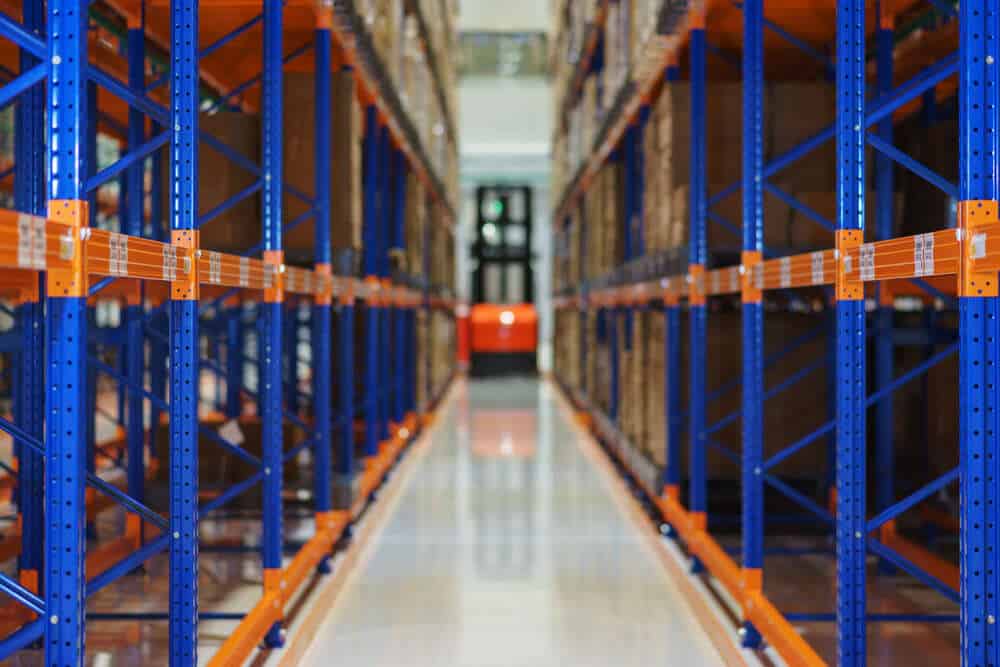
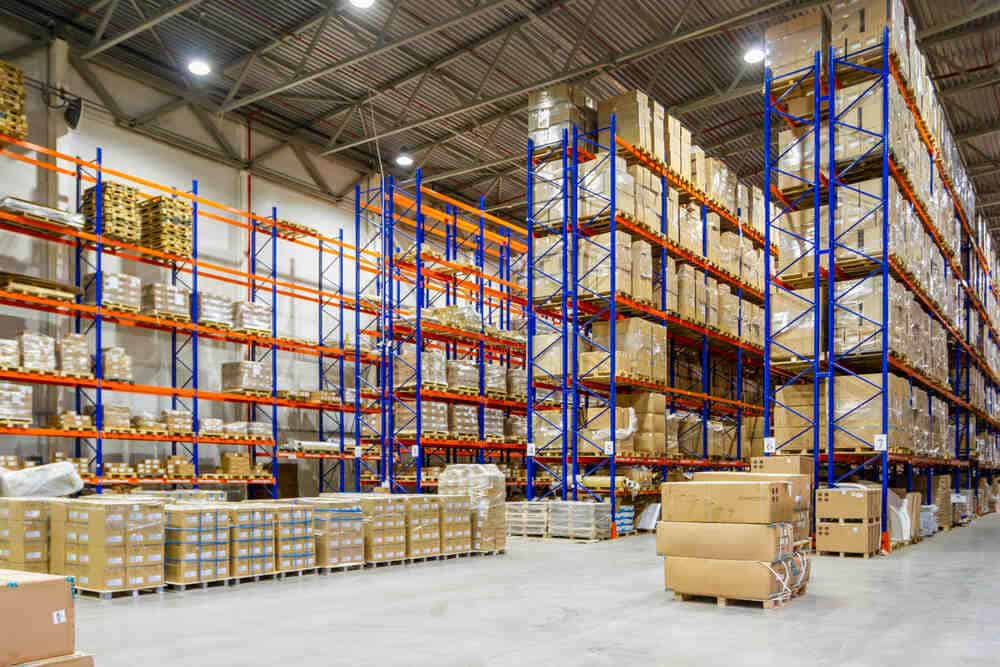
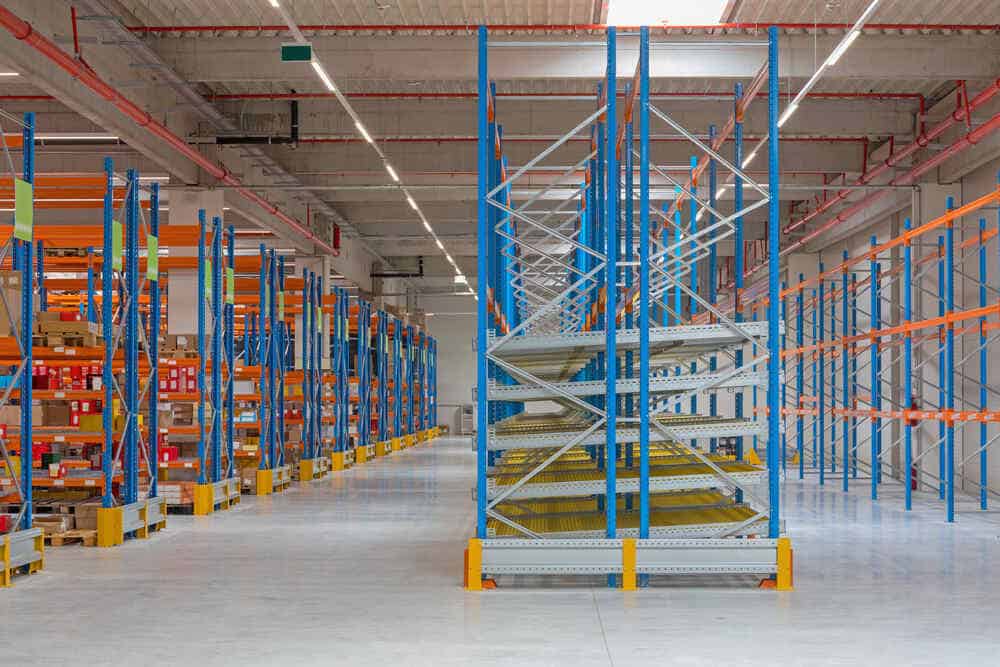
    • Racking System: Pallets are placed on shelving systems commonly found in large warehouses or factories. This includes both drive-in racking systems and push-back racking systems.
    • Securing: Using straps or plastic wrap to secure goods on pallets, preventing movement during transport to ensure safe delivery.

    How To Stack Pallets In A Warehouse

    After understanding the widely used standard warehouse pallet stacking methods, let’s explore the various ways to stack goods on pallets to ensure safe delivery, preventing toppling or damage from compression:

    • Row Stacking: Goods of the same size are neatly stacked in rows, providing stability. Minor securing with straps or adhesives ensures everything stays in place.
    • Alternating Stacking: This method is used for solid items of varying sizes. It involves stacking in an alternating pattern to save space.

    Enhance your warehouse space management with Tellus’ industrial pallet racking solutions. As a leader in storage innovation and warehouse racking in Thailand, we offer quality, standard-compliant solutions with expert after-sales support to meet your warehouse needs. For more information, call 02-643-8044

    Source:

  • Types of Filing Cabinets and Tips for Choosing the Right One

    Types of Filing Cabinets and Tips for Choosing the Right One

    In an era where information plays a crucial role in business, systematic document storage has become indispensable. Multipurpose steel filing cabinets are akin to essential assistants that enhance office efficiency and security. For entrepreneurs seeking document management solutions, let’s get to know the different types of office file cabinets, and explore tips on choosing the right multi-purpose steel cabinet to meet your needs.

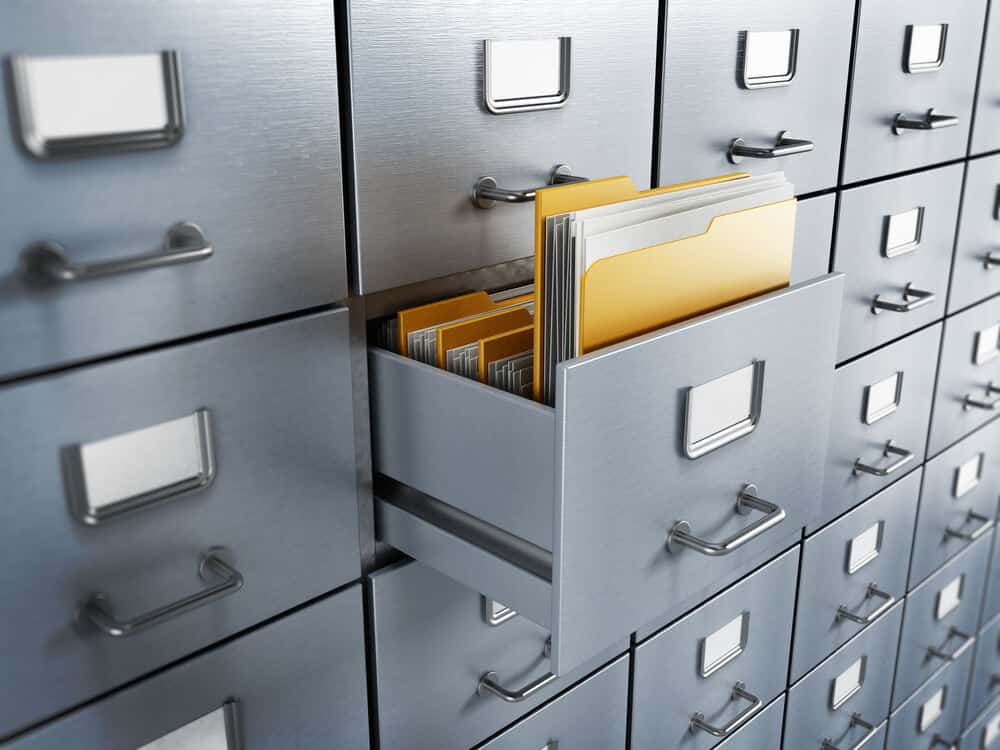
    Employees searching for documents from a file cabinet

    The Benefits of Office Storage Cabinets

    Document storage involves organising, categorising, and maintaining documents systematically to ensure they are easy to find, quick to retrieve, and secure. This is essential for all organisations. Office storage cabinets offer the following advantages:

    1. Easy and Quick Document Retrieval

    When documents are stored systematically, it saves time in locating the needed documents. Employees can work more efficiently without wasting time searching throughout the office. The benefits of office storage cabinets include streamlined access to important files and increased productivity.

    2. Prevent Document Loss

    Personal, business, or official documents contain crucial information that, if leaked to malicious individuals, could cause financial, legal, and reputational damage. Therefore, storing documents in securely locked cabinets with restricted access is an effective way to protect important documents, ensuring they are safe from various threats. Using a high-quality document cabinet can enhance security and prevent unauthorised access.

    3. Space Saving

    For offices with limited space, using appropriately sized filing shelves or cabinets not only helps maintain orderly storage but also maximises the use of every inch of available space effectively. Filing shelves and storage cabinets can also be beneficial to office productivity, providing a structured solution that supports efficient space management. The benefits of office storage cabinets also extend to better organisation and space utilisation.

    4. Preserve Document Longevity

    Protecting documents from dust, moisture, sunlight, and pests involves storing them in sealed boxes or file cabinets. This prevents damage, extends the lifespan of the documents, and makes them easy to locate. Understanding the protective qualities of office storage cabinets can aid in selecting the right storage systems that maintain document integrity.

    5. Enhance Organisational Image

    Storing documents in aesthetically pleasing, clean, and orderly filing cabinets can enhance the organisation’s image, showcasing professionalism. The benefit also extends to creating a well-organised and visually appealing office environment. An attractive and well-organised file cabinet can contribute significantly to a positive corporate image.

    Multipurpose steel cabinet for document storage

    Types of Multipurpose Steel Cabinets and Filing Cabinets

    Nowadays, document cabinets come in various sizes, from small to large, catering to all types of usage. Multi-purpose steel cabinets, made from high-quality, durable materials, are particularly popular in offices. Here are some commonly used types:

    1. Mobile Filing Cabinets: These steel cabinets come with wheels at the bottom, making them easy to move. They are suitable for use in confined spaces and can store general documents, office supplies, and personal items.
    2. Open-shelf Filing Cabinets: Steel cabinets with shelves and no doors allow for versatile storage arrangements. They are ideal for storing frequently used documents, books, and collectables.
    3. Closed Door Filing Cabinets: These steel cabinets have doors that protect contents from dust, keeping documents in good condition. They are aesthetically pleasing and suitable for storing important, confidential documents or valuables.
    4. Locker Filing Cabinets: Steel cabinets with separate compartments and lockable doors enhance security. They are perfect for storing valuables, personal items, confidential documents, and electronic devices.

    Tips for Choosing Multi-purpose Steel Cabinets

    Multi-purpose steel cabinets are versatile furniture items suitable for storing documents, office supplies, personal items, or inventory. When selecting the right multi-purpose cabinet for your needs, consider the following factors:

    • Size and Shape of Space: Assess the height, width, and depth of the installation area and the volume of documents to choose a cabinet that fits well. It should not be too small, as it might not accommodate all items. An office file cabinet should be spacious enough to hold all necessary documents.
    • Usage: For general storage, choose cabinets with open shelves and multiple tiers. For document storage, opt for a file cabinet with drawers that provide secure, dust-free storage.
    • Additional Features: Select cabinets with features that suit your needs, such as adjustable shelves for different-sized items, lockable drawers for valuables and important documents, and internal lighting for use in low-light areas.
    • Quality Materials: Choose cabinets with a smooth surface that is easy to clean and made from thick, durable steel that is water-resistant, fireproof, and rustproof. The material quality of a document cabinet is crucial for longevity and protection.

    Enhance your storage capabilities for products, equipment, and documents efficiently with comprehensive storage solutions from Tellus, the ultimate in storage standards. As leaders in storage and inventory management innovation, we offer cost-effective solutions ideal for your industry, along with expert after-sales service to meet your warehouse needs. For more information, call 02-643-8044.

  • Benefits and Selection of Selective Pallet Racking

    Benefits and Selection of Selective Pallet Racking

    Selective Pallet Racking is a highly popular storage system for general warehouses as it provides convenient access to goods, is flexible, and is suitable for a wide range of products. For businesses seeking a flexible and easily accessible warehouse solution, let’s explore the benefits of Selective Pallet Racking and the guidelines for selecting the right shelving to meet your business needs.

    What is Selective Pallet Racking

    What is Selective Racking ?

    Selective Pallet Racking is a type of pallet storage system that is widely popular in both small and large industrial warehouses due to its flexibility and the convenient access it provides to goods. It is suitable for storing a variety of product sizes and types. For businesses seeking a flexible and easily accessible warehouse solution, we’ll explore the benefits of Selective Pallet Racking and learn how to choose the right rack for your business needs.

    Benefits of Storing Goods on Selective Pallet Racking

    • Maximises Storage Space: Efficiently stack goods on high-rise structures, increasing vertical space utilization.
    • Easy Stock Control: Storing goods on selective racking allows for clear visibility of inventory, and making stock checks, retrieval, and picking easy.
    • Versatile Storage: These racks accommodate various types of goods and can be adjusted in size and layout to suit different types of products.
    • Flexible Storage: Adjustable shelf heights cater to different product sizes and shapes, enhancing storage flexibility.
    • Supports Heavy Goods: Made from high-quality materials, the racks are strong and durable, supporting heavy goods and preventing product damage.
    • Cost-Effective: Selective Pallet Racking has low material costs and requires minimal labour for installation, making it one of the most cost-effective storage systems.
    Selective Pallet Racking

    How to Choose and Use Selective Pallet Racking

    Selecting and using Selective Pallet Racking suitable for your business requires consideration of various factors, such as:

    1. Product Characteristics: Consider the size of the products, including the width, length, height, and weight, to select racks that can adequately accommodate the product sizes.
    2. Warehouse Space: Check the size and height of the warehouse, as well as various layouts, such as storage positions, pathways, and conveyance systems, to select racks and quantities that fit the space efficiently.
    3. Additional Operating Functions: Consider additional operating functions like FIFO (First In, First Out) or LIFO (Last In, First Out) inventory management systems and fall protection systems such as rack guards, safety nets, or safety devices attached to the structure.
    4. Budget: Determine a budget for investing in Selective Pallet Racking and compare prices and features from multiple suppliers before making a decision.
    5. Purchase from Reliable Suppliers: Choose to purchase from suppliers that provide design, installation, and after-sales services.
    6. Quality Check Before Use: Inspect the quality of the racks before use, ensuring they are strong, stable, without cracks or damage, and have a smooth finish without scratches or peeling paint for long-term quality use.

    By choosing and using the Selective Racking system correctly, businesses can have an efficient storage system and increase safety. For businesses looking for industrial pallet racks that can withstand heavy loads and are safe, consult with us! Tellus, a manufacturer and designer of automated warehouse systems, provides Selective Pallet Racking at reasonable prices, suitable for use in your industry. We also offer after-sales service by a team of experts to meet the needs of your warehouse work. If interested, please contact us at 02-643-8044.

    Source:

  • Techniques for Maintaining Warehouse Racks for Safe Use

    Techniques for Maintaining Warehouse Racks for Safe Use

    When safety is a top priority in a workplace where goods are stacked, using industrial warehouse racks to organize the warehouse to a standard offers several benefits. It ensures orderly storage and facilitates quick and easy stock management. However, no matter how advantageous these racks are, without proper maintenance, they can become a source of danger for both the goods and the people. This article presents techniques for maintaining industrial warehouse racks for safe and efficient use, along with the benefits of professional rack inspections.

    Employees help each other maintain industrial warehouse racks

    Tips for Safe Industrial Shelving Maintenance

    Shelving units are essential in warehouses for organizing goods efficiently. Ensuring the safe use of industrial shelving is crucial for maintaining order and safety. Let’s explore some simple maintenance tips to maintain warehouse racks.

    1. Regularly Inspect Shelving Conditions

    Look for signs of damage, such as cracks, twists, or warping. If any damage is found, stop using the shelf immediately and contact a professional for repair.

    2. Plan Storage Properly

    Plan the storage layout considering the weight, size, and type of goods. For instance:

    • Categorising similar items together makes it easier to find, retrieve and manage stock.
    • Distribute the weight of goods evenly across the shelves. Avoid placing heavy items only on the top shelves or overloading the shelves.
    • Use labels on shelves to indicate the type of goods and the maximum weight they can support, ensuring safe working conditions for employees.

    3. Regular Cleaning

    Regular cleaning prevents rust, dust accumulation, and damage. Use appropriate cleaning agents to avoid fading or corroding the shelves.

    4. Avoid Climbing or Stepping on Shelves

    Shelves are designed to withstand weight, not for climbing. Use appropriate equipment to access items stored high up to maintain shelf integrity and user safety.

    Regularly Check and Maintain Parts

    Regularly inspect shelf components such as bolts and screws for damage or rust. Repair or replace them promptly to extend the shelf’s lifespan.

    Maintaining industrial shelving for safe use not only prolongs its lifespan but also prevents accidents and damage to goods and personnel working in the area.

    Industrial Racks

    Benefits of Expert Team Warehouse Rack Inspection

    Regular warehouse rack inspections by an expert team not only help maintain the racks and equipment in the warehouse for optimal use but also offer many other benefits, such as improving safety, ensuring efficiency, and reducing costs. Maintaining warehouse racks through these inspections helps prevent accidents and damage to goods, maintaining a safe working environment.

    • Enhanced Safety: An expert team conducts detailed inspections of warehouse racks, identifying damage or wear and tear. By addressing issues promptly, they prevent racks from collapsing, instilling confidence in warehouse owners, employees, and stakeholders that the racks are safe and in good working condition, mitigating the risk of accidents.
    • Improved Efficiency: Assessing the weight-bearing capacity, often referenced in purchase documents specifying each rack’s load-bearing capacity, allows experts to recommend optimal storage configurations. This ensures that racks function efficiently, supporting operational needs.
    • Damage Prevention: Regular inspections help identify and address issues promptly, reducing the risk of damage to goods and associated costs.
    • Budget Management: Regular inspections not only prevent damage but also help save costs. For example, in the event of a rack collapse, costs such as purchasing and installing new racks, repairing damaged goods, or compensating customers for delays can be significant. These costs directly impact the business’s reputation.

    Choose high-quality, standardized industrial warehouse racks from Tellus, a leading manufacturer and designer of automated warehouse systems. Our products are competitively priced and suitable for your industry needs. We also offer after-sales services to ensure your maintained warehouse racks meet safety standards. Our team of experts will oversee the maintenance, providing the best solutions for your warehouse operations. For more information, please contact us at 02-643-8044.

    Source:

  • Optimise Your Warehouse Storage System

    Optimise Your Warehouse Storage System

    Examples of fixed and non-fixed warehouse storage locations.

    Is your warehouse operating as well as it could be? Stock location methodology is discussed at length in the second edition of “The Warehouse Management Handbook”. Stock location assignment is a process for determining the precise locations of products stored in the warehouse for maximum efficiency. The methodology takes into account various factors related to warehouse storage. It’s well worth reading for new entrepreneurs who want to develop a strategy for storing their products and increasing the efficiency of their operations.

    Warehouse Storage Systems

    Developing a warehouse storage system is the process of managing products for picking and storing products under the right conditions in the warehouse. It takes into account various factors such as product quantity, product type, product characteristics, and product picking frequency. It also maximises the convenience of picking products and maintaining product safety, which is important to businesses of all sizes. Developing a warehouse storage system tailored to your business and your products is an efficient way to store your products and helps your inventory to be more flexible.

    Benefits of Warehouse Storage

    A well-designed warehouse storage system should maximise several factors of your business operations. It should:

    • Increase efficiency in storing and managing products
    • Prevent loss or damage to products
    • Reduce transportation costs
    • Increase efficiency in the production and distribution of products
    • Increase business competitiveness

    6 Key Strategies for Storing Products in Warehouses

    In the “Warehouse Management Handbook: Volume 2”, six strategies were discussed as being key for increasing the efficiency and productivity of your warehouse. You should develop a system that uses these strategies and techniques to create a fluid warehouse storage system that serves the needs of your own business. The strategies include:

    Fixed Location Storage

    Fixed-location storage is for products that fit certain criteria. These might be the most picked item, the largest-sized product, or the most valuable products in your warehouse. The fixed location is multi-purpose and used for replenishment, storage, and picking. 

    Non-Fixed Location Storage

    Also known as a random storage strategy, this strategy is often used for special “limited-time” promotional items, large, cumbersome items, or seasonal items. It uses whatever spots are available in the warehouse. Computerised picking lists and item number storage systems expanded the use of non-fixed locations, which guide pickers to the item’s correct location. 

    Informal Storage

    Informal storage can be a place to store returned items until they can be restocked, damaged items awaiting insurance claims, or any items outside of regular business operations. 

    Item Number Storage

    Item number storage systems revolutionised warehousing in the late 20th century when product ordering, filling, and billing became computerised. It enabled fine adjustments to the order in which products were picked in the warehouse and caused the reorganisation of many warehouses. For example, heavy items could be located at the beginning of an order. When the picker filled the order off of a computerised picking list and stacked the items on a pallet, the heaviest items would automatically be at the bottom of the pallet, reducing damage to the lighter items picked later. As sales data was combined with warehousing logistics via item numbers, the most high-volume, popular items could be located close to the loading docks of the warehouse, which cut down on warehouse traffic and time spent replenishing the products.   

    Classified storage may also known as bonded warehousing. This is where a warehouse carries products that are regulated by the government and require a higher level of security and insurance than normal. Warehouses that deal in pharmaceuticals, liquor, or tobacco items are examples of bonded warehouses. 

    Combination System

    Many warehouses use a combination of pallet and flow racks.

    Warehouses dealing with just one item are extremely rare these days. Many companies offer a range of different varieties and sizes of products sold by the piece as well as by the case. This means that warehouses also have to stock the items to be picked in those quantities and sizes. You often find combination racking systems in warehouse storage systems where items can be picked individually from flow racks, and in case lots from multi-tiered pallet racks. 


    Contact Tellus in Thailand

    Tellus is a designer, manufacturer and distributor of quality pallet racking systems and a wide range of warehouse and office storage systems in Thailand. We also provide excellent after-sales service. Partner with Tellus to help maintain the efficiency of your warehouse operations as your company grows and expands. Contact us today.

All search results