Tellus Storage Systems

Author: admin

  • VisiPro Rack Protectors

    VisiPro Rack Protectors

    Protecting Your Racking Systems with VisiPro: Enhancing Longevity and Safety

    Racking systems are an integral part of warehouses and storage facilities, providing an efficient and organized way to store goods and materials. However, these systems are susceptible to damage from forklifts, pallet jacks, and other heavy machinery. That’s where VisiPro comes in. VisiPro is a revolutionary product that offers robust protection for racking systems, ensuring the longevity and safety of your storage infrastructure. In this blog post, we will delve into the features and benefits of VisiPro and explore why it is the go-to solution for protecting posts.
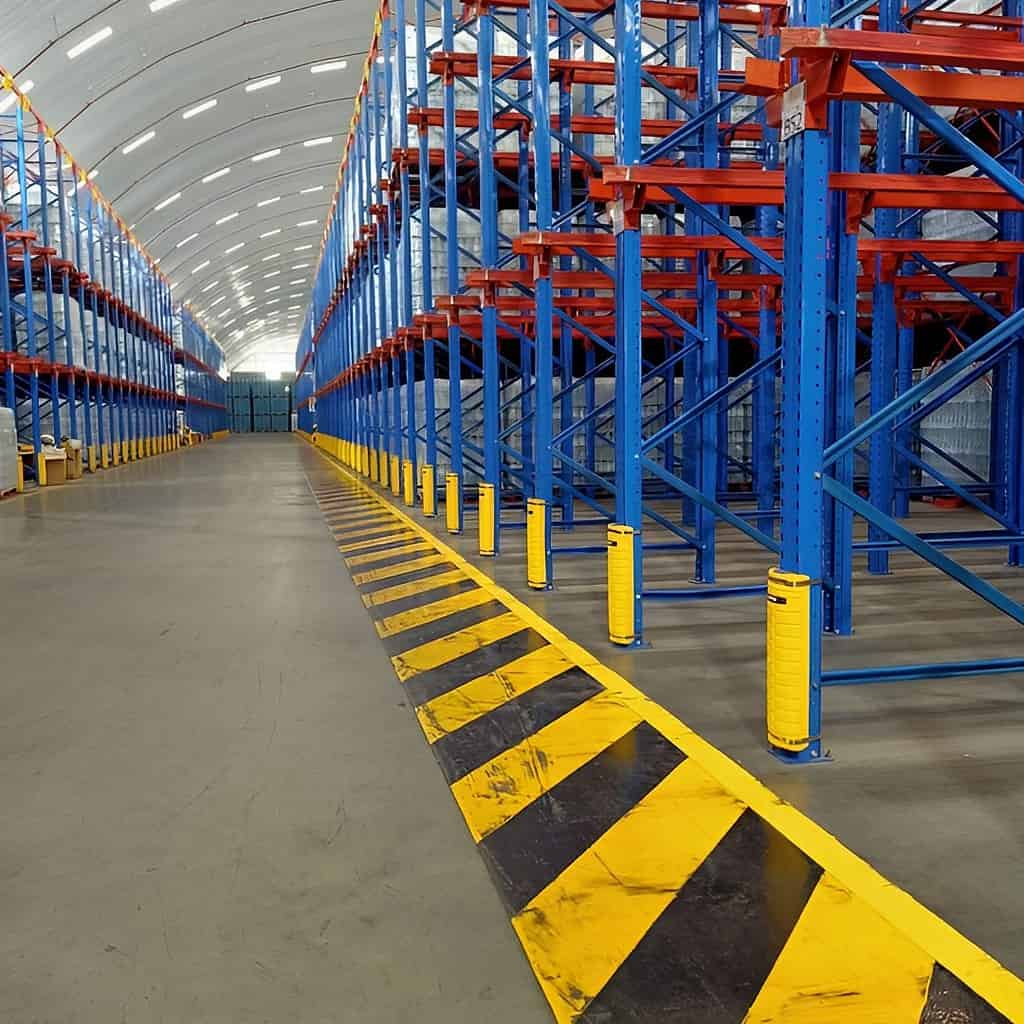

    Visipro Rack Protectors

    Tough Impact Resistance for Reliable Rack Protection

    VisiPro rack protectors are made from polyethylene compounded plastic, ensuring exceptional durability and toughness. They are specifically designed to withstand the impact of collisions, offering reliable protection to your racking systems. With VisiPro in place, you can have peace of mind knowing that your infrastructure is shielded against accidental bumps and collisions, minimizing the risk of damage and maintaining the structural integrity of your storage systems.


    High Visibility Yellow Color for Enhanced Safety

    Safety is of utmost importance in any warehouse or storage facility. VisiPro rack protectors are manufactured in a high visibility yellow color, providing optimal visibility for operators and personnel. This vibrant color acts as a visual cue, drawing attention to the protected areas and reducing the chances of accidents. By enhancing visibility, VisiPro contributes to a safer work environment, preventing collisions and promoting efficient operations in the warehouse.


    Energy Absorbing Inner Pad for Added Protection

    VisiPro rack protectors are equipped with an energy-absorbing inner pad, further enhancing their impact resistance. This inner pad acts as a cushion, absorbing and dispersing the force of collisions. By minimizing the transfer of impact to the racking systems, VisiPro effectively protects against damage, ensuring the longevity of your infrastructure. The energy-absorbing feature of VisiPro makes it an ideal choice for preventing costly repairs or replacements.


    Easy Installation and Removal

    VisiPro rack protectors are designed for easy and hassle-free installation. They can be quickly fitted and removed without the need for floor fixings, minimizing disruption to your warehouse operations. The user-friendly design allows for swift installation on a wide range of uprights and posts. Whether you need to protect a specific area or reconfigure your racking system, VisiPro offers the flexibility and convenience you require.


    Certified to Meet European Standards

    VisiPro rack protectors are certified to impact loads specified in the European Standard EN 15512-2009. This certification ensures that VisiPro meets rigorous quality and safety standards, giving you confidence in the product’s performance. By choosing VisiPro, you are selecting a reliable and compliant solution that meets industry standards for racking system protection.


    Tellus: Your Trusted Partner for High-Quality and Affordable VisiPro Rack Protectors and Warehouse Shelving Solutions

    Discover VisiPro, the perfect choice for high-quality and affordable rack protection solutions. With its durable construction, tough impact resistance, high visibility yellow color, and energy-absorbing inner pad, VisiPro excels at safeguarding your racking systems. Ensure longevity and safety while minimizing costly repairs or replacements.


    Tellus: Your Warehouse Shelving Solution Provider

    Trust Tellus for all your warehouse shelving needs, including VisiPro rack protectors. As a trusted supplier, we offer a wide range of automated storage systems and equipment that meet international standards. Enhance efficiency and maximize space utilization in your facility with our comprehensive solutions.


    Contact Us for VisiPro and More!

    Contact us at 02-643-8044 to learn more about VisiPro and explore our range of warehouse shelving solutions. Our knowledgeable team is ready to provide tailored solutions and exceptional customer service. Choose Tellus for top-quality products and reliable support.
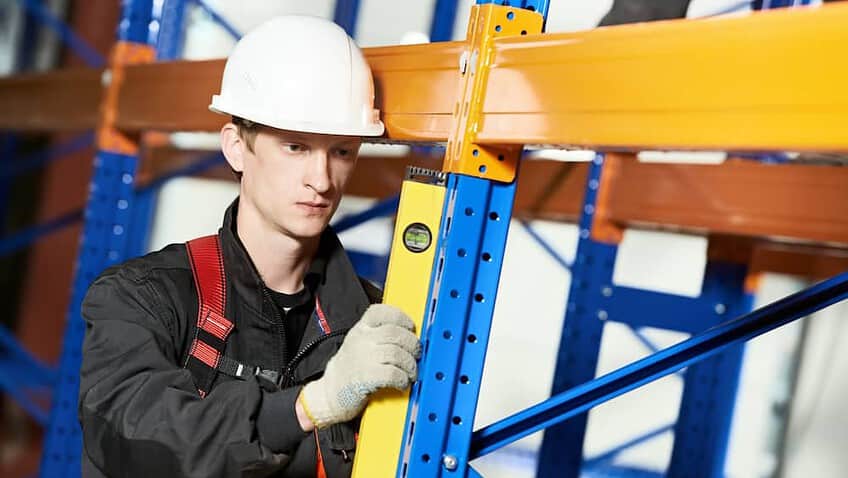
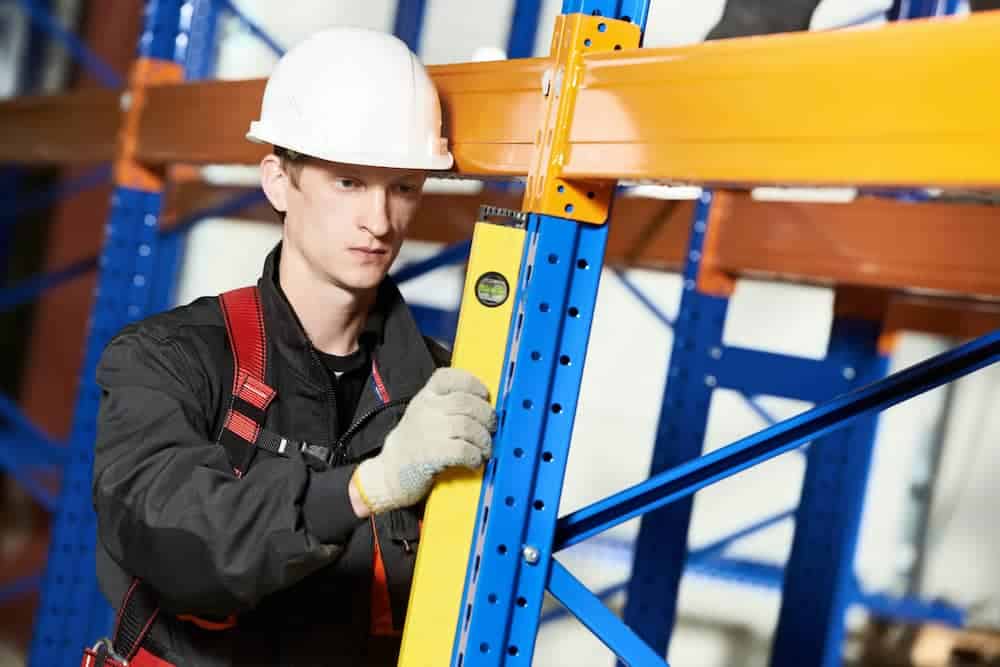
  • What is the importance of standards for rack inspection, and why is it necessary to inspect them regularly?

    What is the importance of standards for rack inspection, and why is it necessary to inspect them regularly?

    The importance of industrial racking inspection standards

    We can maintain safety standards in the warehouse every day by paying attention to details in equipment maintenance and optimizing the space for efficient work. This includes regular inspection of racking systems to ensure they are functioning effectively. By doing so, we can ensure smooth business operations without interruptions. But why is maintaining standards for racking systems important in warehouse operations? Find out more in this article.

    The Importance of Maintaining Standards for Racking Systems

    Maintaining strong and standardized racking units is crucially important because such units are a safety guarantee and an appropriate working condition in the warehouse. Without proper maintenance, shelves that support heavy weight and store a large number of goods may collapse, posing serious danger to workers and causing significant damage. Therefore, it is essential to ensure that racking units are kept strong and sturdy, and always comply with established standards.

    Techniques for Inspecting Warehouse Shelf Standards

    Checklist for Inspecting Warehouse Racking Standards

    • Checking the consistency of rack and product arrangement

      To properly organize and install racking units, both durability and stability should be balanced. If any aspect is lacking, it may cause the rack to collapse over time. Therefore, it is important to check the standards of the shelving units and ensure they are arranged in an orderly manner, including the completeness and stability of each shelf. They should not be tilted to either side as this can help prevent racking collapse.

    • Check for rust on the racking system

      Rust that occurs due to the corrosion of iron or other metals used in the production of racking systems is always possible. Therefore, it is necessary to regularly inspect for rust on the racking system, as it can corrode until it reduces the system’s weight capacity. If left unchecked for too long without maintenance and repair, the metal will begin to deteriorate, with more visible signs of corrosion, eventually leading to the collapse of the racking system.

    • Assessing Weight Capacity

      It is important to regularly check and ensure that the weight capacity of the current racks being used is in compliance with the standard. This information can often be found in the purchase documentation that specifies the weight capacity for each rack. If a rack is overloaded, it should be addressed immediately by transferring the products to a more suitable rack to prevent overloading and potential damage to the rack structure.

    Checklist for Inspecting Structure of Warehouse Racking Standards

    • Inspect the surface and texture for corrosion rust.

      If the structure of the rack begins to show surface damage, whether it’s fading color or corroded by rust, consider it a warning sign that the rack’s safety standards may be compromised, potentially posing a safety risk for workers during operations, and causing significant damage to stored products. It’s essential to conduct further inspection and carry out maintenance and repair work as soon as possible.

    • Check for damages to the racking structure.

      Apart from issues with paint and corrosion, the standard of racking systems also depends on damage in various forms, such as dents, twisting, scratches, damages from forklifts, and other equipment that need to be closely inspected. If there is significant damage, it should be repaired immediately as it may affect the stability and safety of the racking system.

      By inspecting the standards of the racking systems according to all of these checklists, you will be able to identify any issues and promptly carry out maintenance to prevent potential serious accidents that may cause injury to employees, damage to property, and loss of time due to work interruption.

    Benefits of maintaining your racking systems to meet standards

    • Enhancing the safety of goods and employees in the warehouse

    • Maintenance of racking helps businesses meet certification standards

    • It helps reduce the cost of maintenance, upkeep, and early replacement of racking systems.

    Tellus: The Best Industrial Warehouse Storage Systems Supplier

    If you are looking for high-quality and affordable warehouse shelving for your business, Tellus is the supplier for you. We provide automated storage systems and equipment of exceptional quality, guaranteed to meet international standards of warehouse shelving. We offer a wide range of products to suit your needs. For more information, please contact us at 02-643-8044.

  • Tips for selecting industrial shelving that meets your operational needs

    Tips for selecting industrial shelving that meets your operational needs

    It is crucial for factory owners to efficiently allocate warehouse space in order to maximize productivity. A vital aspect of this is selecting suitable industrial storage racking that matches the size and nature of the products being stored. Providing expert advice on choosing the right industrial racking, including an understanding of the various racking systems available and important factors to consider when making a purchase, can greatly simplify and enhance the process.
    What are the types of industrial racking systems?

    Types of Industrial Storage Racking in Warehouses

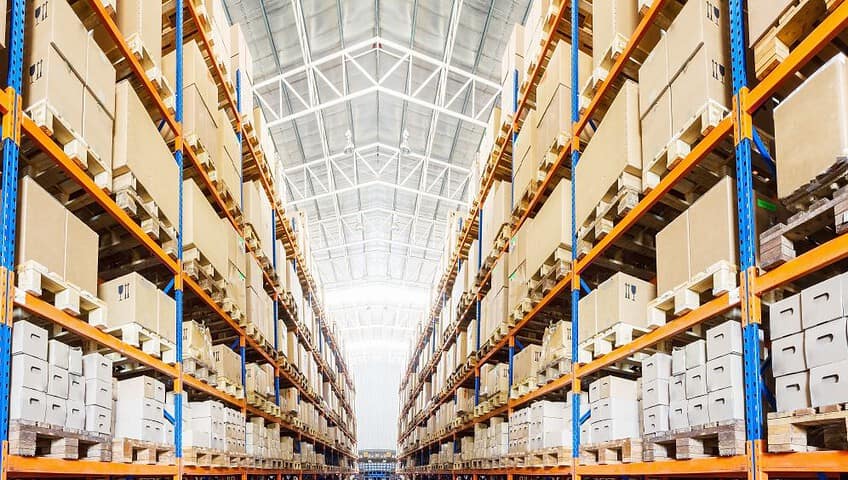
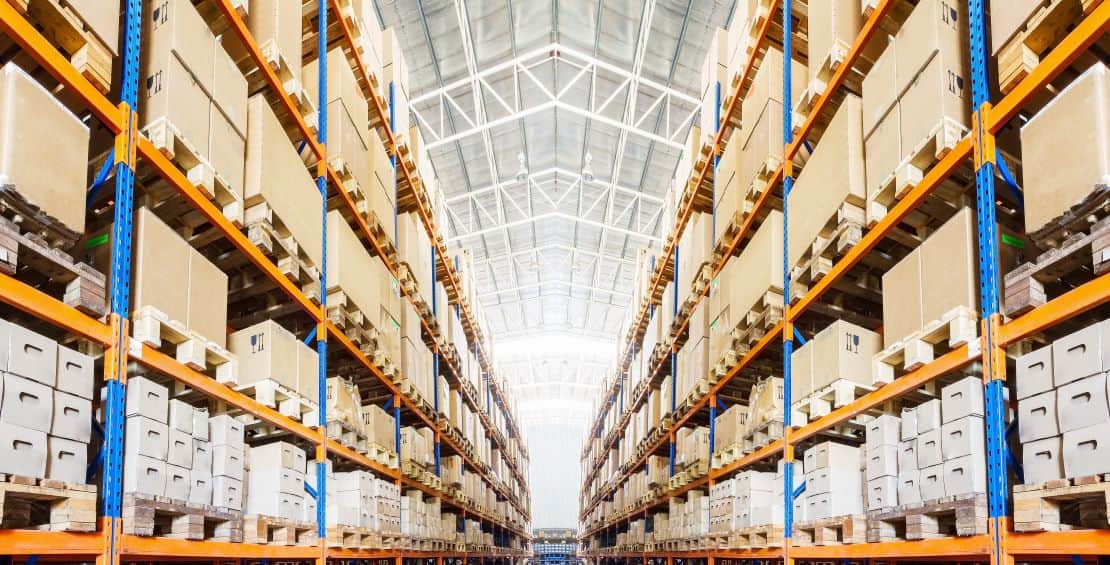
    When there is an industrial manufacturing factory, there must also be a warehouse. However, in order to efficiently increase storage capacity, it is necessary to select appropriate industrial racking systems according to the type of use, in order to help maintain product quality, classify storage according to standards, and make searching and movement easier. Industrial shelving systems can be divided into two main categories:

    1. Large-scale Rack

    • Selective Rack

      One of the most widely used industrial product racking systems is the selective racking. It is suitable for storing products placed on pallets, with a sturdy structure that can support heavy loads. Additionally, the distance between each rack level can be adjusted according to specific needs. Selecting this type of racking offers the advantage of working well with a variety of storage and product moving equipment, making it suitable for use in industrial factories and warehouses in general.
    • Drive-In Racking

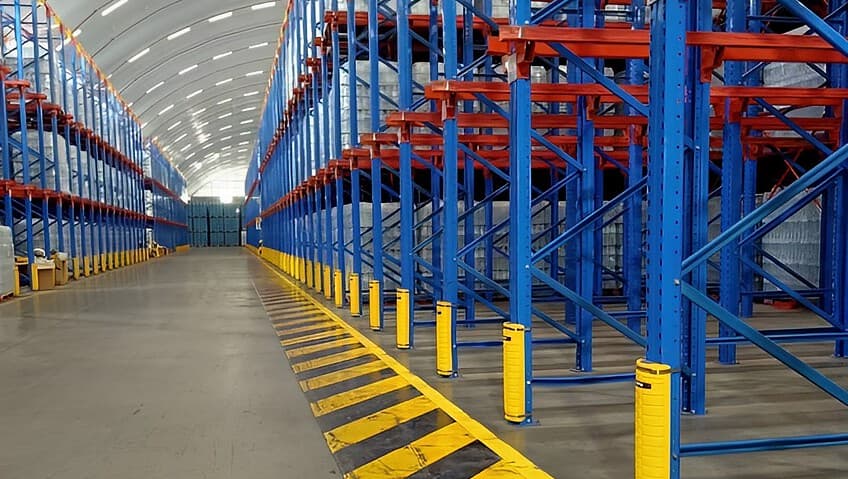
      This type of product racking system is suitable for warehouses with a low number of SKUs (Stock Keeping Units) but a high volume of stored products to optimize space. However, this type of product racking has limitations in terms of storing pallets, as it operates on a First-In, First-Out rotation system. Therefore, careful planning and organization of the product sequence is necessary to facilitate efficient retrieval of products.
    • FIFO racking

      This type of racking has a roller system inside the pallets, which moves products in the same direction along the depth of the shelves, similar to drive-in racking. It operates on a First-In, First-Out system, and is ideal for warehouses that need to organize storage by SKU, as well as for products that have expiration dates or require regular rotation.
    • Push Back

      For those looking for a racking option to store products that are not prone to damage, deterioration, or expiration, Push-Back Rack is the answer. It combines the features of Drive-In and FIFO racking in a larger size and depth, allowing for the storage of a greater quantity of products. In addition, each shelf is equipped with pallet retrieval devices, which enable products to be stored and retrieved easily. The products are loaded into the racking from the front, and they move towards the back as more products are loaded in. When a product needs to be retrieved, the pallet in front of it is removed, and the product rolls forward for easy retrieval.
    • Mobile Rack

      Mobile racking is ideal for warehouses looking to reduce floor space and energy consumption in storage. Industrial mobile racking operates similarly to selective racking, but can be moved left and right to create openings for forklifts to access products with flexibility. This helps increase storage capacity by up to 80%. Mobile racking is often used in industries such as cold storage.
    • Cantilever Racks

      Cantilever racks are suitable for organizing and storing long and ring-shaped items such as paper, pipes, aluminum rods, and light bulbs. They add organization to your warehouse while providing sturdy arms to safely hold the items and make them easy to locate. Cantilever racks make it easy to securely store these items while also making them easily accessible.
    • Mezzanine Floor

      The last type of Large-scale Rack is the mezzanine floor, which is a suspended platform designed to efficiently allocate space within a warehouse. With a sturdy steel structure and the ability to support heavy loads, it is easily installed and dismantled, allowing for safe and secure storage or conversion into office space.

    2. Medium-scale Rack

    Factors to consider when choosing racking systems for a warehouse.
    • Micro Rack

      Micro Rack is a versatile storage solution suitable for general product storage. It can hold weights ranging from 150-250 kilograms per shelf and can be adjusted to suit the size of your products. Additionally, it features a safety back panel to prevent items from falling. Its Knock-Down structure makes it easy to install and move, making it ideal for use in both warehouses and stores.
    • Medium Shelving

      Medium shelving is ideal for storing box-shaped or containerized products. It features longer panel spans and can hold a weight capacity of 200-300 kilograms per shelf. Its flexible adjustable height feature ensures safe and secure storage.
    • Multi-Tier Shelving

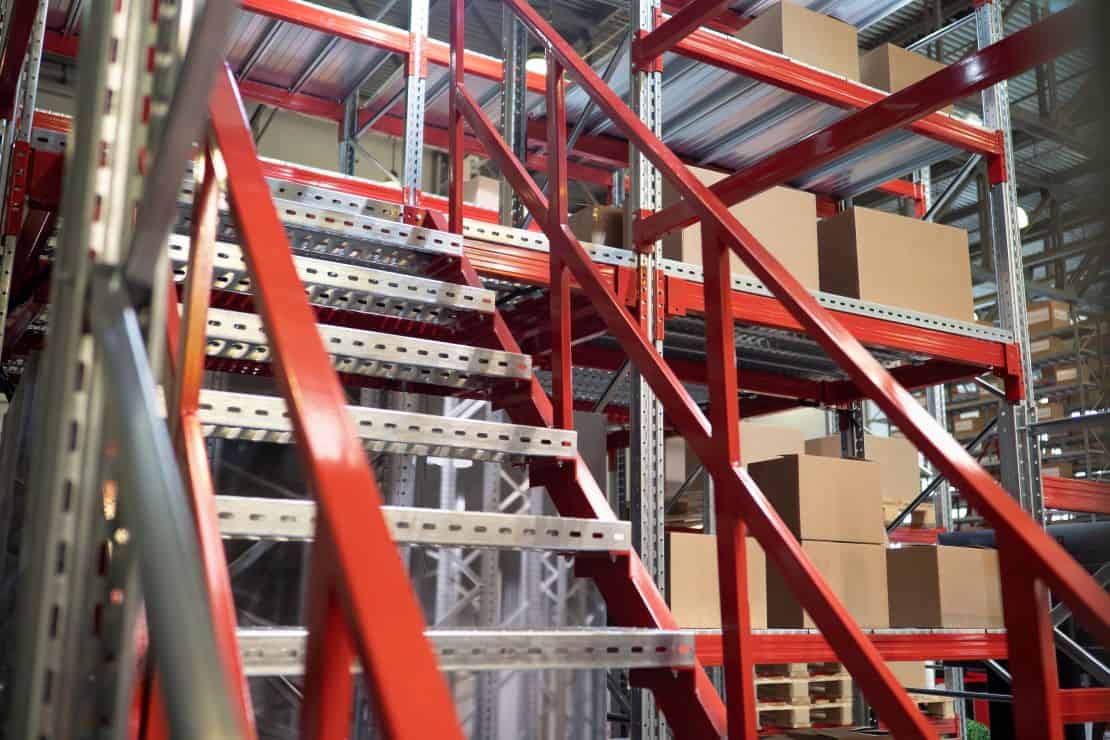
      Multi-tier shelving is a small-sized industrial shelving solution that maximizes vertical space efficiency. It features linked mesh decking and shelves with safety features such as backstops, handrails, and staircases, making it flexible and safe to use. Its easy disassembly design makes it a great space-saving solution for horizontal spaces.

    Key Factors to Consider When Choosing Racking Systems for Your Warehouse

    1. Select your racking based on quality and the type of pallets used. Prioritize weight capacity as the main characteristic, followed by size and width to ensure it is suitable for installation and the available space.
    2. Consider the type of products, including their size and weight, to determine the appropriate type and size of pallet racking. Additionally, the type of products can also help determine the selection of pallet racking.
    3. The space in a warehouse, including the size of the doors, width, length, and height of the ceiling, all have an impact on the selection of shelves or racking systems. It is important to consider these factors to maximize the use of space inside the warehouse.
    4. The type of forklift used is important to consider as it must be suitable for the intended use. This includes the height capacity and size, which must be in compliance with safety standards for safe and efficient operation.
    5. The rotation system of products in the warehouse is another important factor to consider. It is necessary to take into account the quantity and speed of product rotation in order to choose shelving or racking that can work efficiently with forklifts.

    Choose industrial racking that meets standards with Tellus

    If you are a business owner who is looking for high-quality industrial racking at an affordable price for use in your warehouse, Tellus is the supplier of storage systems with excellent quality automation equipment available in various types according to your needs. For more information, please contact us at 02-643-8044.
  • Column/Rack Protection and Guardrail Barriers: Equipment to Reduce Damage in the Factory

    Column/Rack Protection and Guardrail Barriers: Equipment to Reduce Damage in the Factory

    Rack protection and frame barriers Damage prevention equipment in warehouse
    The safety of employees and visitors should be a top priority for factory owners and workers. In addition to mastering the use of equipment and tools, it’s crucial to have the right safety equipment in place. Two essential devices that every factory should have are rack protectors and frame barriers. In this article, we’ll explore the differences between bollards and guardrails and offer tips on selecting high-quality products for your factory.

    Get to Know the Differences Between Rack Post Protector and Frame Barriers!

    • Rack Post Protector

      Rack Post Protector is a device that helps protect posts and reduce collision force on the posts in accidents that may occur from various types of usage. For example, in industrial factories where cargo transportation vehicles are commonly used, having post protectors can prevent the posts from being damaged, which could potentially cause products to fall. They are also used as traffic equipment in parking lots. Post protectors can prevent vehicles from backing up and hitting the posts or walls of the parking lot.
    • Frame Barriers

      Frame Barriers are devices designed to prevent damage from collisions in various areas. They are suitable for partitioning critical areas that require special attention, whether it’s in an industrial factory that uses forklifts to move goods all the time or in parking areas without barriers. Frame barriers can help prevent cars from reversing or jumping out of the parking area, for example.
    The post protector and frame barriers have different designs and installation methods, but both serve to reduce impact in the event of an accident and increase safety for employees, products, and shelves. They are both important and necessary equipment in high-risk environments such as industrial factories.

    Properties of high-quality and durable Post Protectors and Frame Barriers for optimal usage.

    For working in industrial factories or warehouse areas with large amounts of goods and shelves, as well as forklift trucks running throughout, choosing guard protectors and safety barriers is an important tool to help reduce damage from accidents and protect workers from injury. It is important to choose high-quality products to increase the efficiency of prevention. Consider the following factors:
    1. Choose collision post guards and frame barriers made from durable, flexible, and resilient materials.
    2. Choose equipment that is painted with yellow-black stripes or reflective materials that can reflect light at night.
    3. Choose equipment that can withstand corrosion, water, fire, and solvents well.
    4. Choose equipment that has a long service life and requires minimal maintenance.
    5. Choose equipment that can also be used in other important locations.
    If you are a business owner, factory owner, or employee looking for equipment to reduce damage from accidents and increase safety for employees, at Tellus, we are a leader in innovation for product management and impact-resistant equipment, such as column guards and guardrails. Our high-quality products are affordable, and we offer a variety of options to meet your needs. We are ready to help your factory. For more information, please call us at 02-643-8044.
  • What is AGV? How does it benefit warehouse management and logistics system?

    What is AGV? How does it benefit warehouse management and logistics system?

    7 Benefits of AGV vehicles you should know
    AGV is one of the automated warehouse management systems that helps manage the warehouse and logistics system efficiently, conveniently, and safely. It can also save long-term budget.In this article, we will take you through what AGV is, the types of AGV, and the important benefits of AGV. Let’s take a look!

    What is AGV?

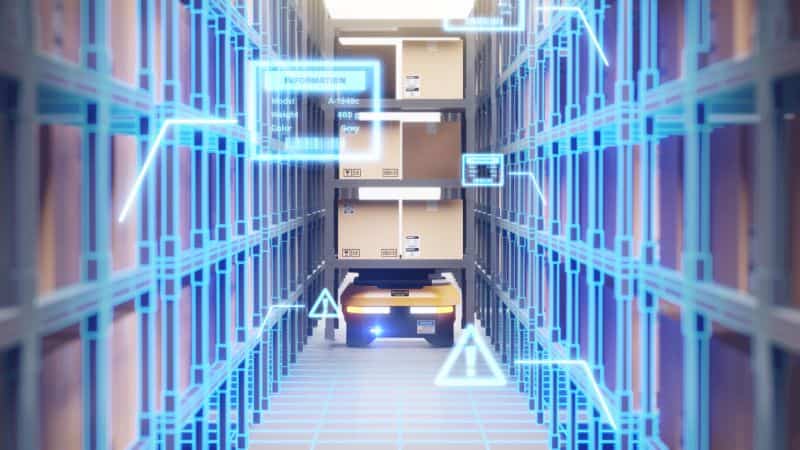
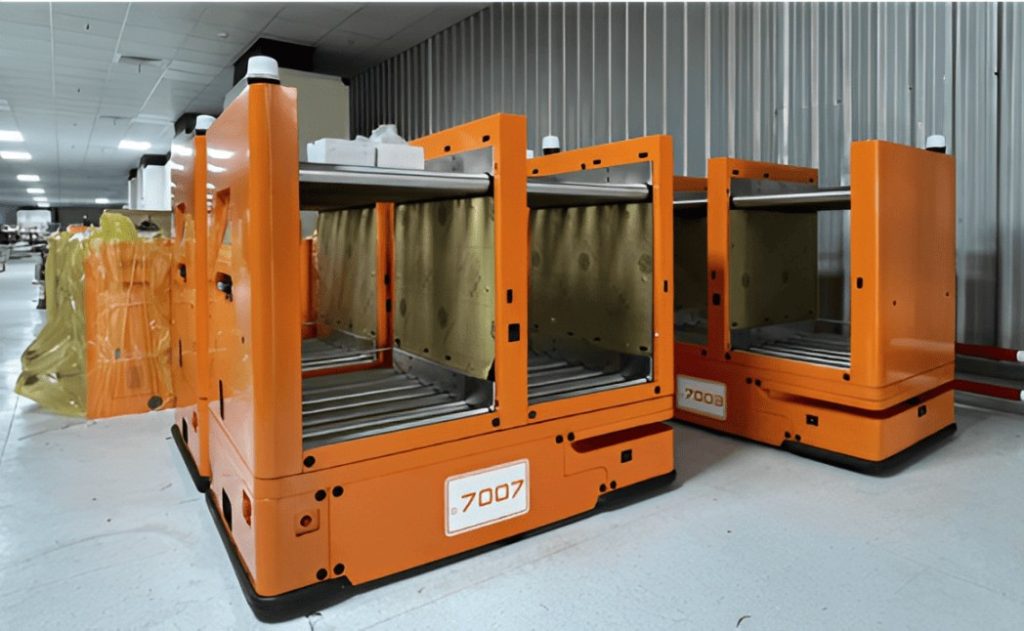
    AGV stands for Automated Guided Vehicle, which is an automated material handling system that moves products to the designated storage or location without the need for a driver or operator. It works similarly to a robot and can change the delivery path as needed. It is commonly used in transportation and logistics industries, reducing labor and increasing safety in the workplace.

    Types of AGV

    AGV vehicles have a variety of types to choose from, but primarily they can be divided into 4 categories as follows:

    1. Unit Load Vehicles are AGVs that move goods from one station to another. They handle unit loads, which are goods packaged in standard-sized bags, boxes, or pallets. Upon arrival at the station, the goods are automatically transferred to a storage floor or placement point without the need for manual labor.
    2. Pallet Trucks (Forklifts) are used for transporting goods on pallets. They lift the goods from one station to another and can safely lift the goods to higher levels. They come in both manually operated and automatically operated versions.
    3. Driverless Trains (Towing) are used for transporting goods in a train-like manner, similar to pulling cargo containers. This means that the goods are placed on carts with wheels, and then an AGV (Automated Guided Vehicle) is used to pull the cargo carts to the designated point.
    4. Automated Guided Carts (AGC) are like carts in a warehouse that will automatically transport goods to a predetermined path.

    Automated Guided Vehicle

    Benefits of AGV that business operators need to know

    Many people may be wondering why we should use AGV (Automated Guided Vehicle) and what are the benefits of using AGV. Let’s take a look.

    Reduces Labor Costs

    It’s obvious that the use of AGV in automatic product transportation will reduce the hiring of labor in this area, which may not reduce the total hiring of labor, but we don’t have to spend a lot of money on hiring many workers to transport goods within the specified time frame.

    Reducing the risk of damaged goods

    Reducing the risk of damaged goods with the sensor and camera system installed on the AGV reduces the risk of human error and increases efficiency in moving and arranging goods.

    Increase safety in the workplace

    Increase workplace safety by reducing the risk of accidents caused by the handling and movement of large quantities of goods. This includes minor injuries, serious injuries, or even fatalities resulting from falls from high shelving, collisions with goods transport vehicles, or goods falling and causing harm. The use of AGV vehicles equipped with sensors and cameras enhances the efficiency of product movement and placement while also ensuring the safety of both human life and warehouse assets.

    Cheaper Than Fixed Automation Systems

    Some businesses may be thinking if using fixed automation systems or conveyor belts would be cheaper. In reality, AGV (Automated Guided Vehicle) has a total cost that is cheaper, with less equipment installation and saves more space in operation.

    Improving work efficiency and reducing errors

    Managing inventory are not just about safe material handling but also includes receiving goods inspection, categorization, storage and maintenance, shipment and inventory counting.The benefits of AGV (Automatic Guided Vehicle) vehicles are not limited to just their speed in moving goods. They also allow for inventory control, determining how much stock is remaining and saving time and costs in managing the inventory.

    Can operate 24/7

    One of the benefits we must accept is the ability to work 24/7, non-stop, every day of the week without worrying about fatigue or breaking labor laws. This enables efficient and worry-free operation.

    High Flexibility

    While conveyor belts for transporting goods require clear and defined transportation routes, once installed, changing the route would almost require a complete overhaul of the system. However, AGVs can freely change routes and areas according to the needs without any limitations.

    You can purchase the AGV model of your choice at Tellus

    If you are a business owner looking for a high-quality, reasonably priced automated AGV transportation vehicle, Tellus is the distributor of top-quality automated storage systems and equipment. They offer a wide variety of options to choose from according to your needs. For more information, contact us at 02-643-8044.

All search results